Strengthening Disability-Inclusive WASH in Humanitarian Action
Category
Capacity Strengthening General IASC-Guidelines Nigeria Pilot Countries Uncategorized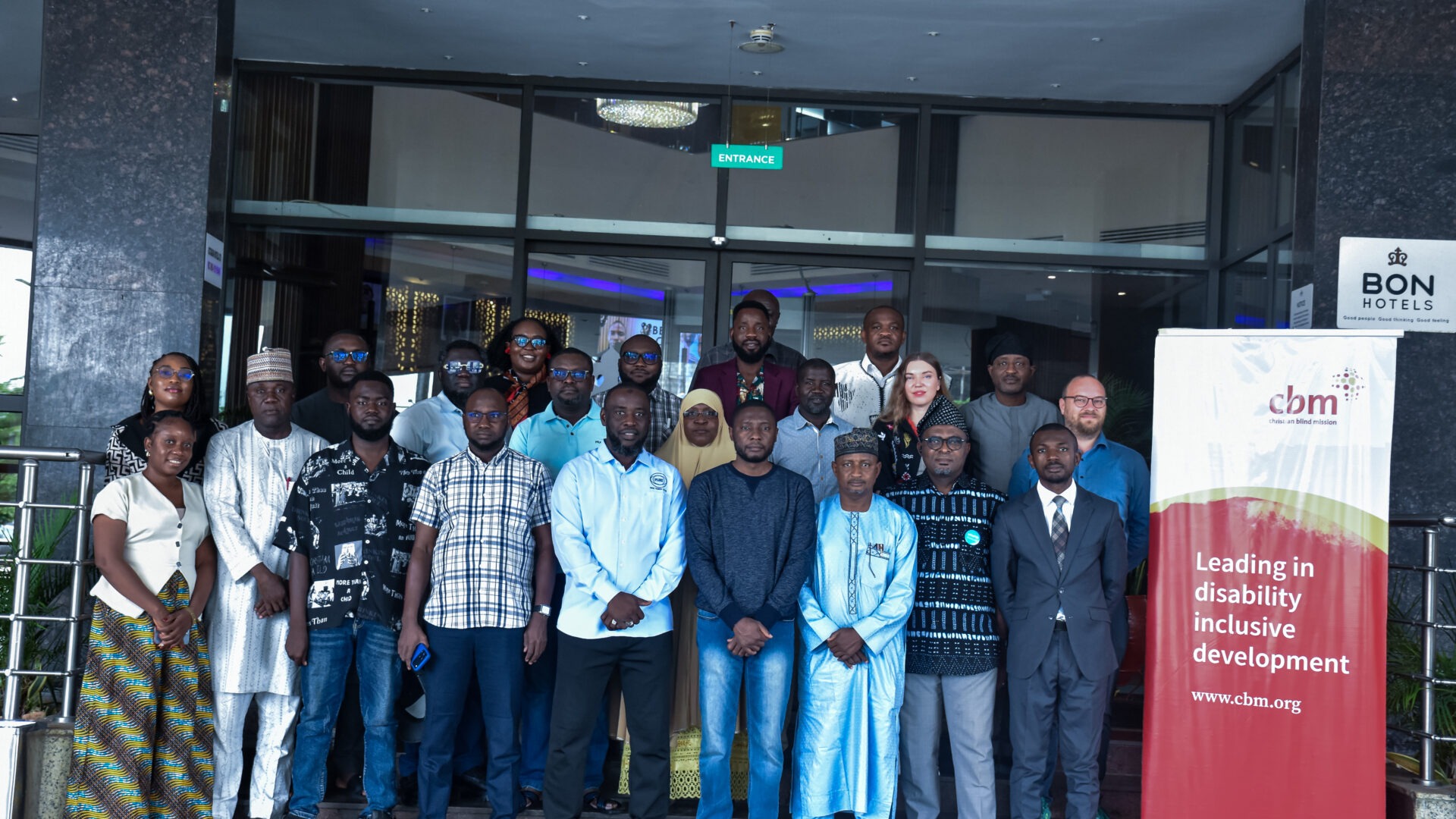
© CBM
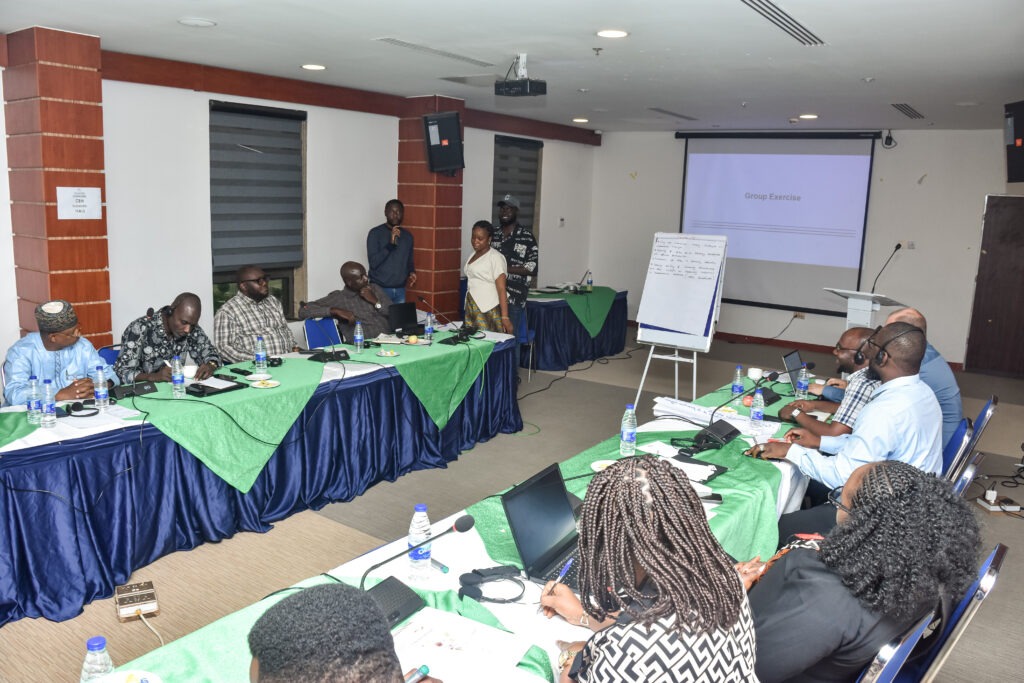
From 30 June to 2 July 2026, CBM and its partners brought together humanitarian and WASH actors from Nigeria, Cameroon and Niger for a regional iWASH (Disability-Inclusive WASH in Humanitarian Action) training in Abuja, Nigeria. The three-day workshop aimed to strengthen participants’ capacities to ensure that people with disabilities are meaningfully included in water, sanitation and hygiene (WASH) programming during humanitarian responses.
From Awareness to Practical Action
The training followed the nine-module iWASH package and combined technical content with interactive learning methods, case studies and practical examples from humanitarian settings. Participants explored key topics including:
- Rights-based approaches to disability
- The IASC Guidelines and the Twin-Track Approach
- Accessibility and universal design
- Disability-disaggregated data collection
- Inclusive project cycle management
- Accountability to affected populations
- Meaningful participation of persons with disabilities
- Inclusive menstrual hygiene management (MHM)
By combining theory with real-world examples, the training helped participants better understand how disability-inclusive approaches can be applied in complex humanitarian contexts and how barriers to access can be identified and removed.
Learning Through Practice and Exchange
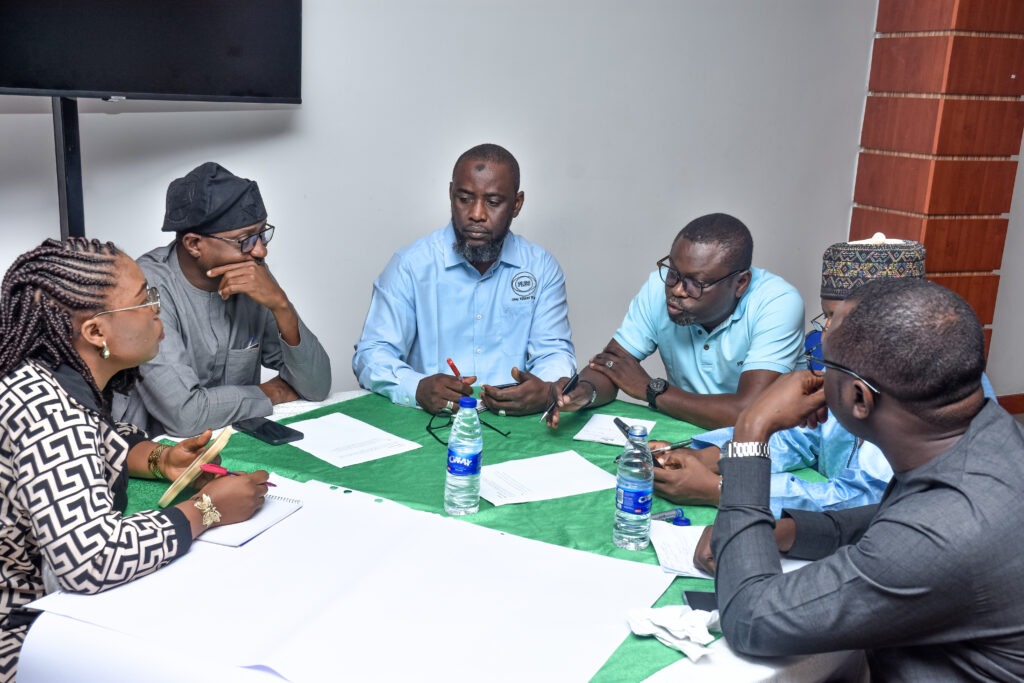
Participants highlighted the training’s practical and interactive approach as one of its greatest strengths. Through case studies, group discussions, and peer exchange, they were able to connect disability inclusion concepts to real humanitarian challenges and learn from experiences across different contexts.
The training also deepened participants’ understanding of key topics such as accessibility and universal design, disability-disaggregated data collection, the Twin-Track Approach, and inclusive menstrual hygiene management. By the end of the workshop, participants reported feeling better equipped to design and deliver WASH programmes that are accessible, inclusive, and responsive to the needs of people with disabilities.
A Step Towards Leaving No One Behind
The strong feedback from participants demonstrates the growing demand for practical learning opportunities on disability inclusion in humanitarian action. Many participants expressed their intention to share the knowledge gained with colleagues, partners, and government counterparts, helping to extend the impact of the training beyond the workshop itself.
Text by Nils Bachstein, CBM, Germany