Beiträge zum Thema Uganda

Uganda’s PSN Sub-Working Group Reawakens – A Transformative Milestone for Disability Inclusion Under LNOB

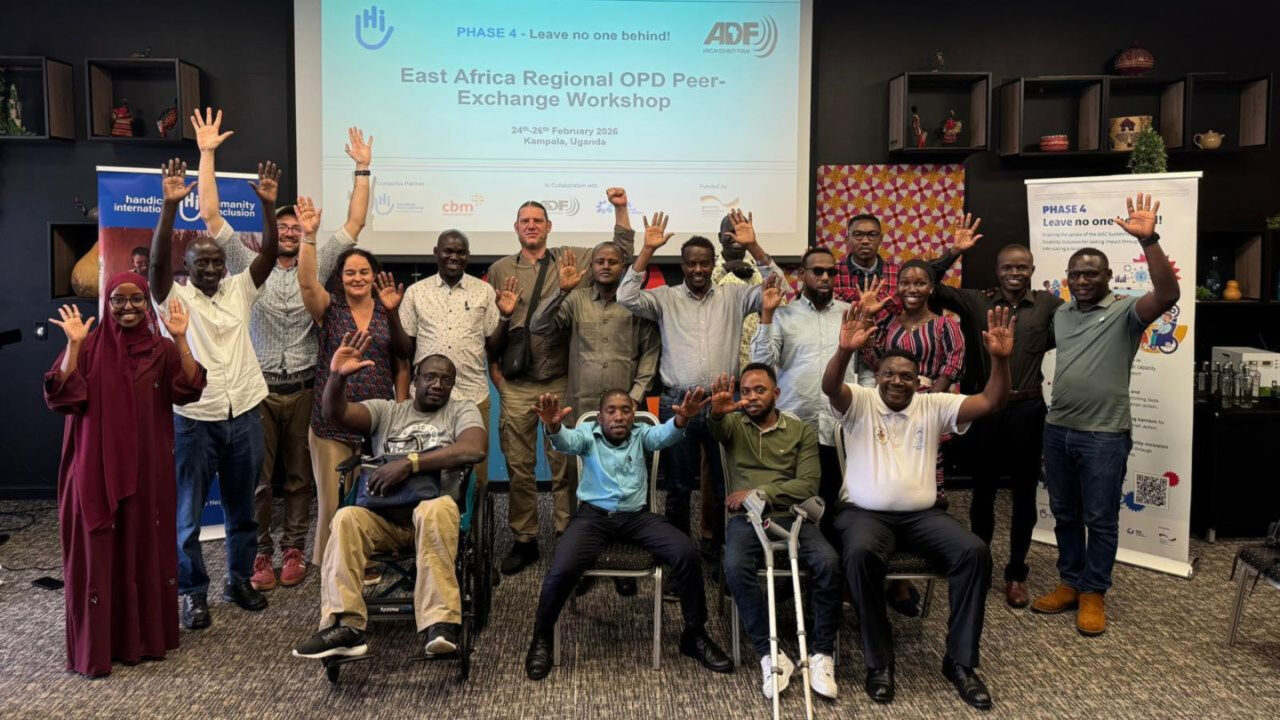
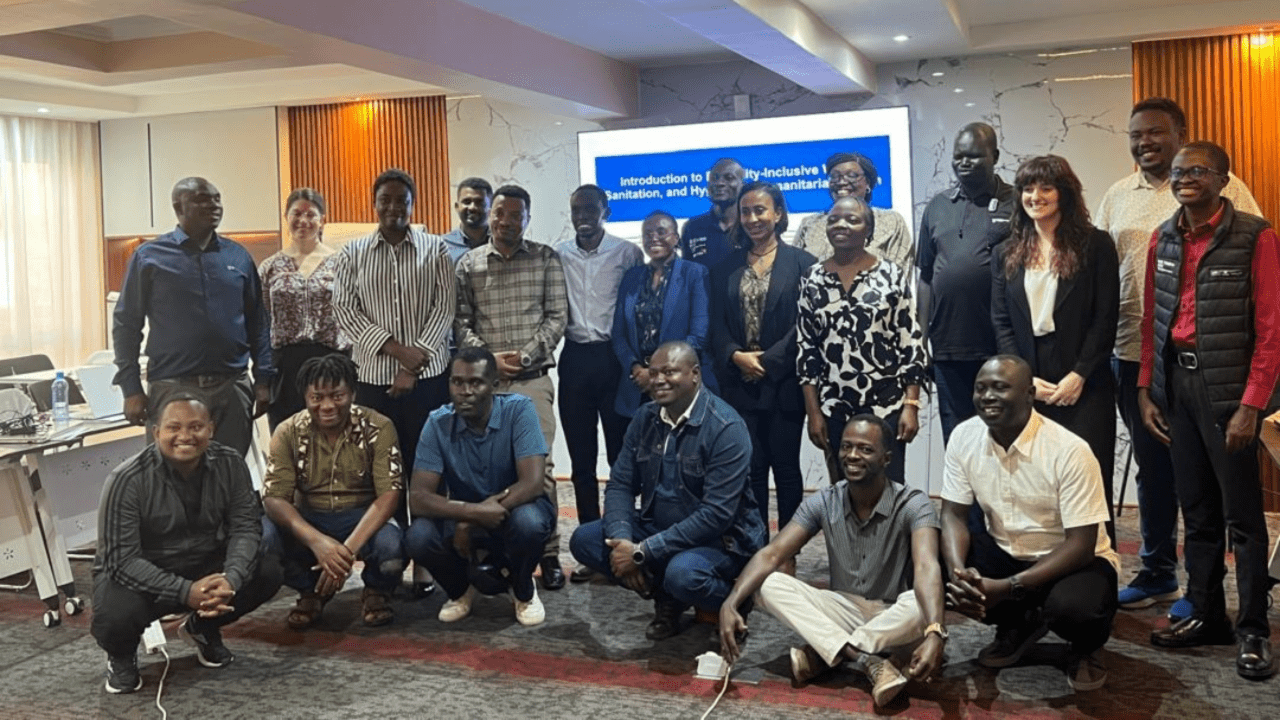
Uganda’s humanitarian coordination system has marked a major breakthrough with the revitalization of the Persons with Specific Needs (PSN) Sub-Working Group (SWG), a platform that had remained dormant since early 2023. Through deliberate leadership, persistent engagement, and strong partnerships under Phase 4 – Leave no one behind! (LNOB 4) project the PSN SWG has now […]

Weiterlesen

Project Kick-Off Meeting in Nakivale Refugee Settlement in Uganda 

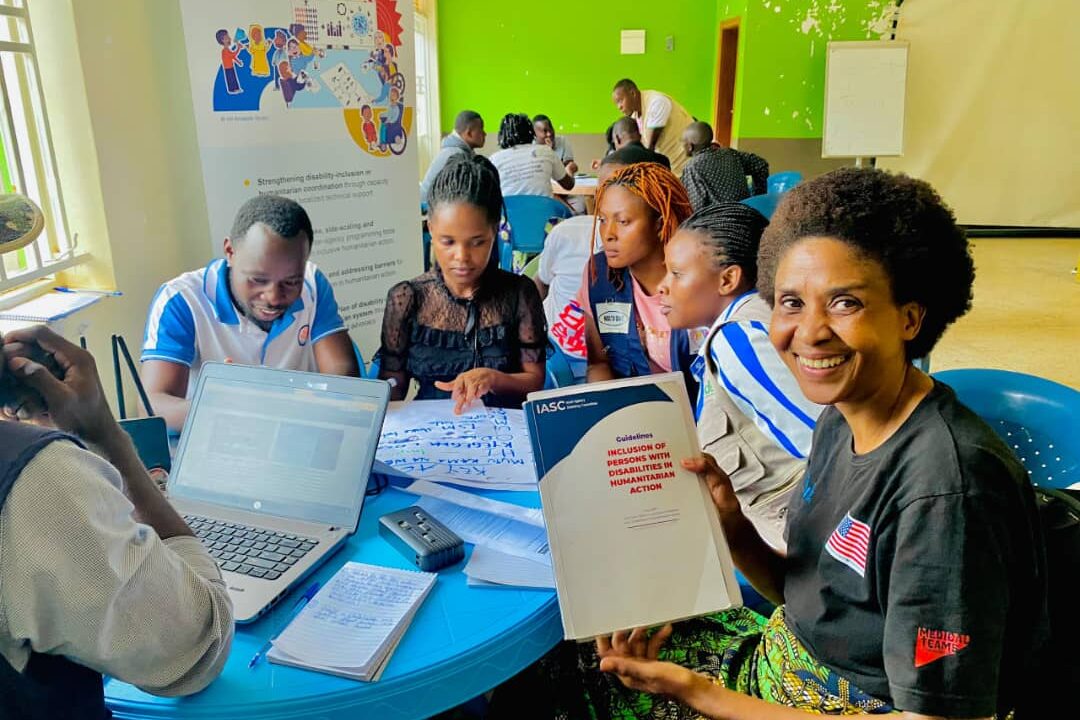
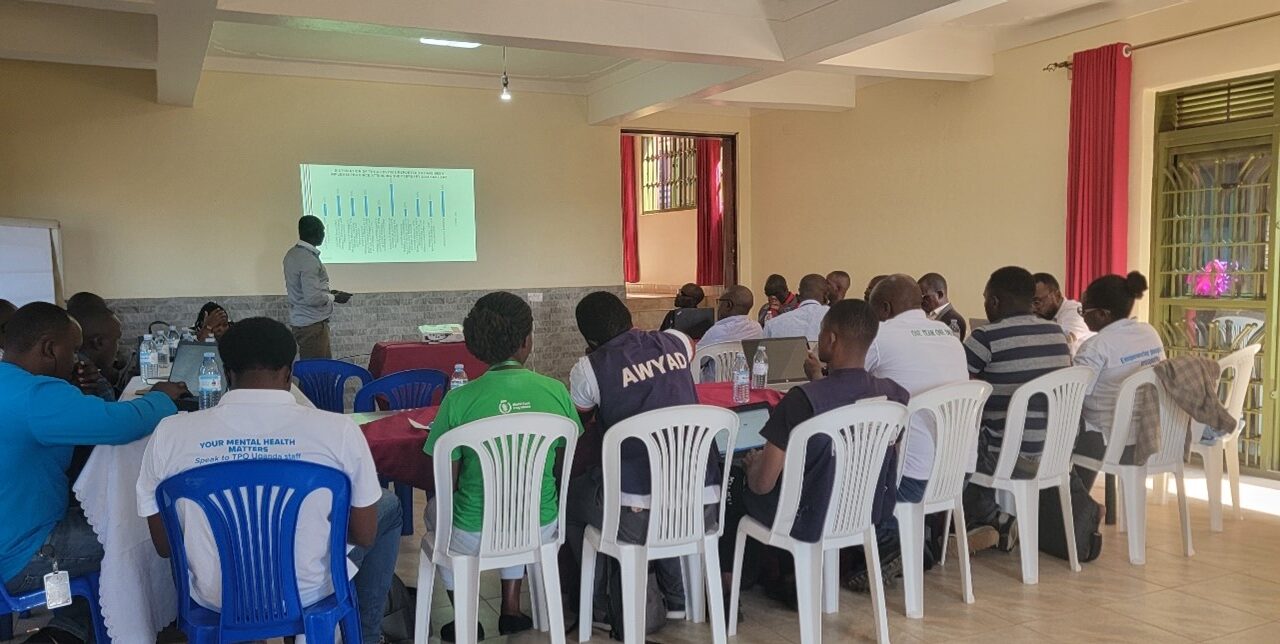
The Phase 4 – Leave no one behind! Kick-Off Meeting in Nakivale Refugee Settlement in Uganda marked a major milestone in expanding the project’s reach beyond Kampala and Kyaka II. The workshop, held on 2nd April 2025, served as the official introduction of the LNOB 4 project to field-level partners, providing a space for dialogue, learning, and […]

Weiterlesen

Man speaking in front of the workshop participants.

Uganda Concludes Phase 3-Leave no one behind! Project

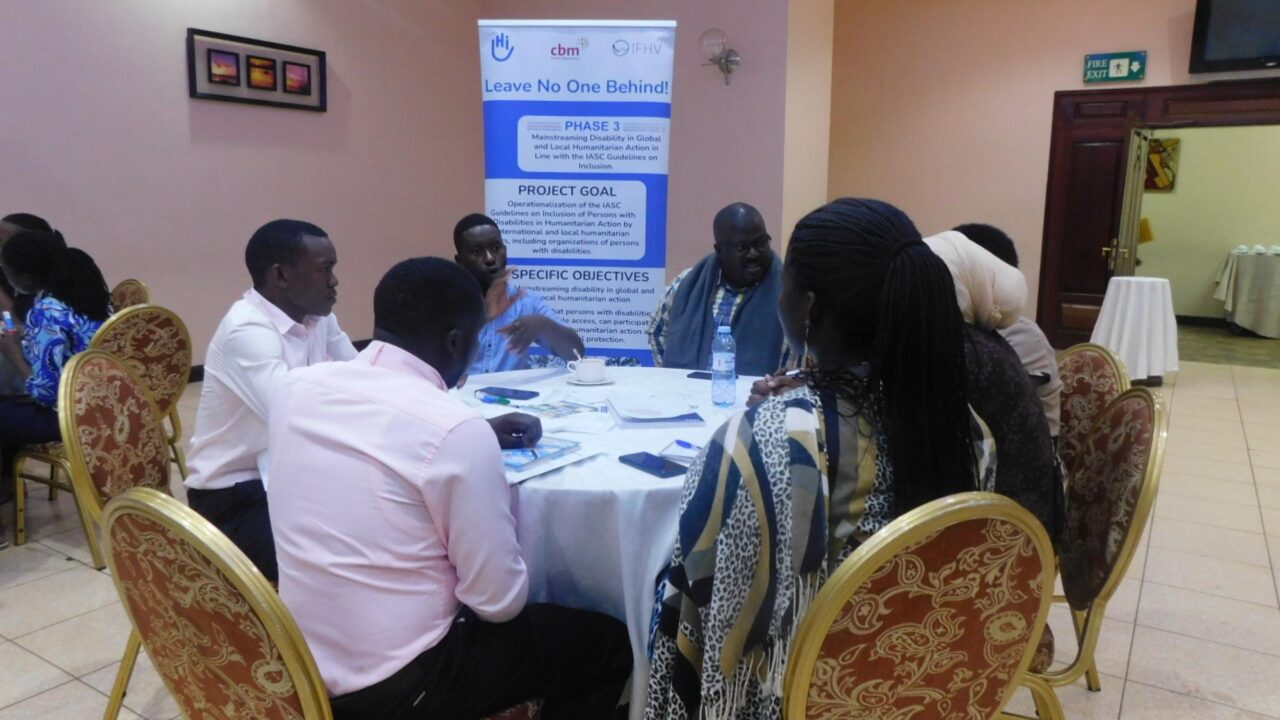
The conclusion of the Phase 3 was marked by two impactful workshops held in Kampala and Kyaka. The workshops were attended by 115 participants, with 31 persons with disabilities contributing firsthand experiences and expertise. The event witnessed a balanced gender representation and participation from 23 Organisations of Persons with Disabilities (OPDs) and 25 partner organizations, […]

Weiterlesen

Group of workshop participants sitting around a table and having a group discussion.

Strengthening Disability Inclusion in Uganda: Defining Roles and Establishing Technical Support Mechanisms

In September 2024, Humanity & Inclusion (HI) Uganda organized two essential workshops as part of our project. These workshops were designed to reinforce disability inclusion in humanitarian actions by defining the roles of Organizations of Persons with Disabilities (OPDs) and establishing technical support mechanisms with key humanitarian partners. Held in Kampala, these sessions brought together […]

Weiterlesen

One of the workshop participant makes a presentation during the Lessons Learned workshop at Kyaka Motel, Kyegegwa district.

Learning from Experience: HI Uganda Organised Lessons Learned Workshops

On 27 March 2024 and 30 May 2024, HI Uganda organised lessons learned workshops for formerly trained protection partners at national (Kampala) and field (Kyaka II Settlement) levels. The lessons learned workshops were identified as a mechanism to provide a platform for protection partners to share their organisations’ experiences in mainstreaming disability in their programming. […]

Weiterlesen

Participant sitting in U-form during training in Kampala. In front facilitator presenting.

Strengthening the Capacity of Humanitarian Actors in Disability Inclusion in Uganda

In an effort to build and strengthen the capacities of international, national and local humanitarian protection sector actors in Uganda, our HI Uganda team organised a fourth (16–18 April 2024) and fifth (13–15 May 2024) Inclusive Humanitarian Action Training and Review, Adapt Action & Learning Laboratory (RAAL Lab). This methodology allows training participants to review, […]

Weiterlesen

Group photo of the workshop participants posing outside of the training venue in Uganda.

RAAL-Workshop in Uganda: Adapting Assessment Tools

Our HI team organized the first Review, Adapt & Action Learning (RAAL) Laboratory workshop in Fort Portal, Uganda on 23rd – 25th October 2023. It was held as part of the three-day training focusing on Inclusive Humanitarian Action (IHA).  To strengthen the capacities of local, regional and international humanitarian organisation in the field of disability […]

Weiterlesen

Photo of the project national level kick-off workshop. Participants listening a presentation.

Unveiling “Phase 3 – Leave no one behind!” to International and Local Humanitarian Actors in Kyaka II, Kyegegwa and Kampala in Uganda 

In Uganda, persons with disabilities are among the most excluded from humanitarian assistance. The stigmatisation in the community, combined with the limited capacity of humanitarian actors to include persons with disabilities in programming and coordination, exacerbates vulnerability and further exclusion. To foster disability-inclusion in humanitarian action through localizing the Inter-Agency Standing Committee (IASC) Guidelines on […]

Weiterlesen