Disability Working Group Training Enhances Coordination and Inclusion in Humanitarian Response in Nigeria
Category
Capacity Strengthening GDS 2025 Nigeria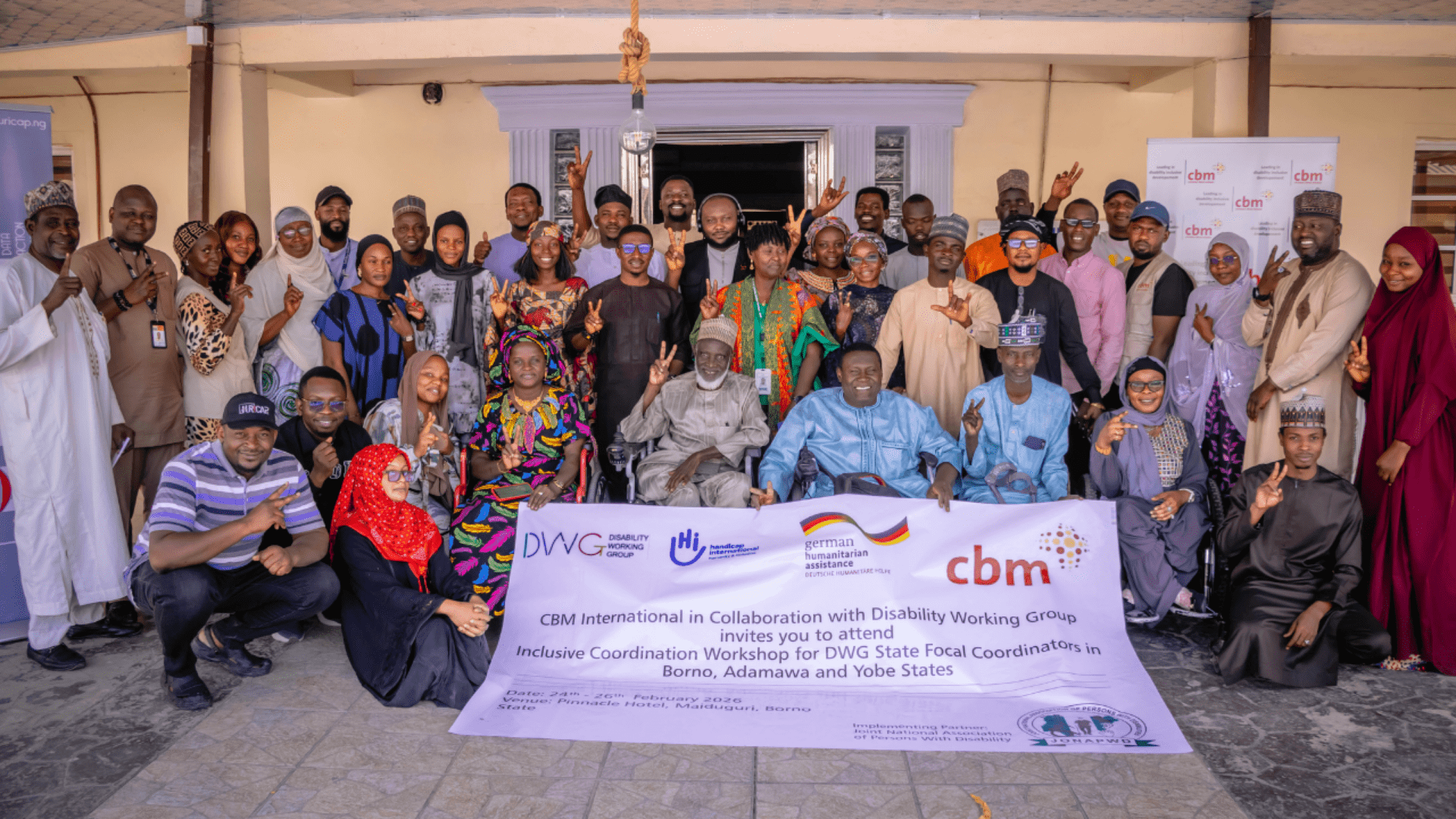
© CBM
The Disability Working Group (DWG) plays a meaningful role in fostering disability-inclusive humanitarian and development responses, ensuring that the needs and rights of persons with disabilities are integrated into coordination mechanisms. Through targeted workshops, the DWG capacitates stakeholders to foster more sustainable, accountable, and contextually relevant systems.
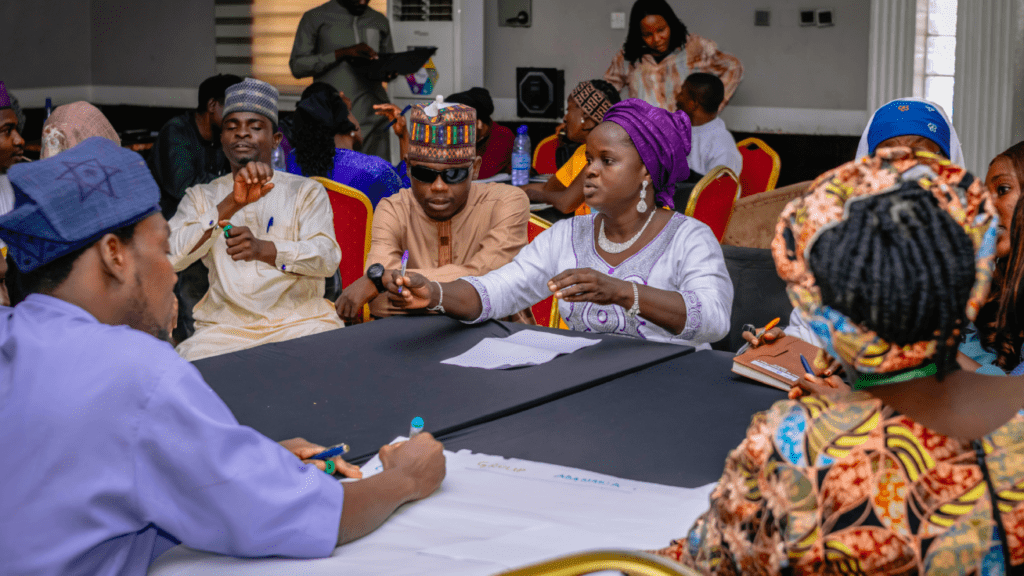
The DWG successfully convened a three-day State Coordination Focal Team Training earlier this year in Maiduguri, Borno State, Nigeria. The training brought together 51 participants from Borno, Adamawa and, Yobe states, among whom were the newly selected State Focal and Co-Focal Points, representatives of Government Agencies, Organizations of Persons with Disabilities (OPDs), and Humanitarian and Development Partners from across the BAY States.
Training Objectives
The workshop aimed to strengthen state-level coordination mechanisms, enhance disability-inclusive humanitarian and development programming, and ensure alignment of state coordination structures with the DWG Strategy 2023–2026 and relevant global inclusion frameworks. The training commenced with opening remarks delivered by Dr. Babakura Mamman Gadai, Executive Secretary, Borno State Agency for Coordination of Sustainable Development and Humanitarian Response (BACSDAHR). He was represented by Galadima Kauji who emphasized the importance of coordinated disability-inclusion within humanitarian response systems.
Furthermore, Hajiya Salamatu Abdullahi (Co-lead DWG), oriented participants on the DWG Mandate and Strategy (2023–2026), highlighting the need for structured coordination, accountability, and state-level ownership.
Sessions on Introduction to Humanitarian and Developmental Coordination
The session on Roles & Responsibilities was facilitated by Oghenetega Ideh (Coordinator DWG), who clarified coordination principles, stakeholder roles, and the importance of predictable and transparent coordination platforms. Adama Yusuf (United Nations Population Fund) led the session on Safeguarding, Prevention of Sexual Exploitation and Abuse (PSEA) in Humanitarian/Developmental Coordination, reinforcing safeguarding standards and underscoring the responsibility of coordination actors in preventing exploitation and abuse.
The session on Strengthening Accountability Mechanisms in Coordination was facilitated by Sanusi Ibrahim (CBM International), which emphasized transparency, information-sharing, joint planning, and mutual accountability within coordination structures. Additionally, the session on Conflict Sensitivity in Humanitarian and Development Coordination, focused on integrating Do-No-Harm principles into disability-inclusive responses. The group discussion, moderated by the workshop lead, enabled participants to identify context-specific risks in BAY States and propose mitigation strategies.
Finally, Fwangshak Guar (CBM International) facilitated discussions on Building Sustainable Institutional Capacity for OPDs and Community-Based Organizations, focusing on governance systems, resource mobilization, and sustainability. The 2026 DWG Workplan Review was led by Karagama Ali (CBM International), during which participants validated priorities, refined targets, and agreed on an implementation roadmap aligned with state-level realities.
Conclusion and Key Takeaways
In conclusion, the following recommendations were agreed upon:
- Quarterly state coordination review meetings should be institutionalized.
- Disability-disaggregated data systems should be strengthened across all sectors.
- Durable solutions planning should be integrated into state coordination frameworks.
- Capacity strengthening for OPDs should be expanded beyond training to include mentorship.
- Psychosocial support mechanisms for coordination actors should be prioritized.
Text by Karagama Ishaku, CBM, Nigeria