
Insights from OPD Research: Challenges Faced by Refugees with Disabilities in Uganda
Category
Applied Accompanying Research General Uganda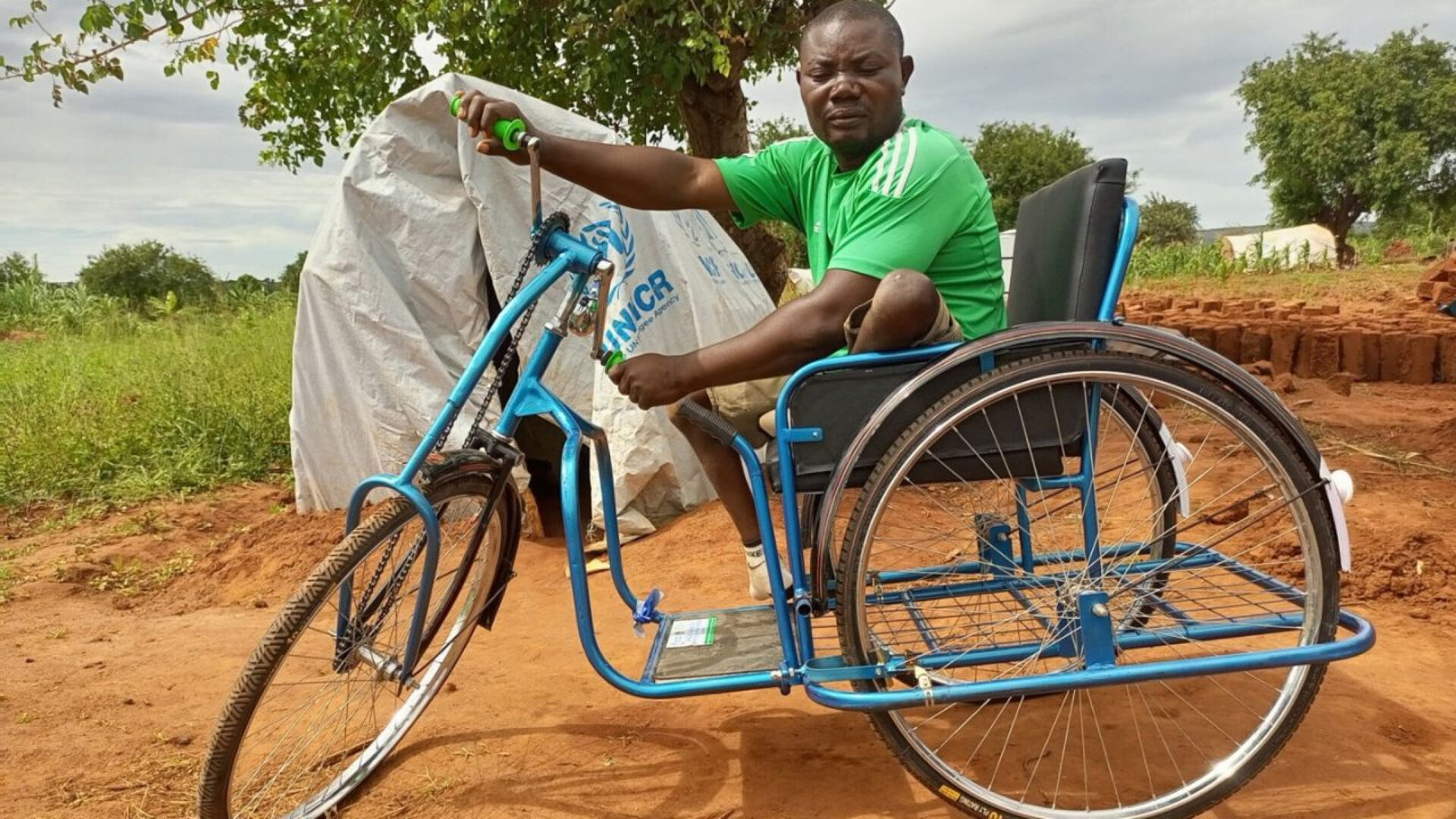
© HI
The Leave no one behind! (LNOB) project wants to highlight the work of our OPD-partners, ARD and NUDIPU. Both organisations have recently conducted in-depth studies that provide critical insights into the lived experiences of refugees with disabilities in Uganda’s refugee settlements. The research underscores the urgent need for disability-inclusive humanitarian action, offering evidence-based recommendations to improve access to essential services, protection, and livelihood opportunities. LNOB supported the researches through small-grant actions.
ARD’s Research: Barriers and Facilitators to Accessing Humanitarian Services in Kyaka II Refugee Settlement
The Association of Refugees with Disabilities (ARD) conducted an assessment in Kyaka II Refugee Settlement, home to over 90,000 refugees, including 20,300 with disabilities. The study, Barriers and Facilitators to Accessing Humanitarian Services for Persons with Disabilities in Kyaka II Refugee Settlement, identifies key obstacles for refugees with disabilities such as:
- Physical and Environmental Barriers: Long distances to service points, inaccessible spaces, and lack of disability-friendly infrastructure (e.g., ramps, accessible WASH services) severely limit mobility and independence.
- Economic Barriers: Indirect costs such as transport fares, medicine purchases, and water fees make services unaffordable, pushing households into harmful coping mechanisms like begging or selling assets.
- Institutional and Procedural Barriers: Long queues, understaffed facilities, and weak referral systems exclude persons with disabilities from critical services.
- Communication and Attitudinal Barriers: Lack of sign language interpretation, accessible information formats, and persistent stigma further marginalise refugees with disabilities.
Despite these challenges, the study identifies community-based interventions that support people with disabilities. These groups -such as Refugee Welfare Councils (RWCs), Village Health Teams (VHTs), and OPDs- play a crucial role in information sharing, referrals, and accompaniment, though their impact remains uneven due to limited resources.
ARD’s research also includes a short documentary, which includes testimonials and personal stories of refugees with disabilities living in Kyaka II refugee settlement.
Based on their finding ARD provide short- and longterm recommendation to improve the situation for affected people:
ARD’s Recommendations:
- Immediate Actions: Enforce priority access for persons with disabilities at service points, improve accessible communication, and strengthen complaints and feedback systems.
- Long-Term Solutions: Mainstream disability inclusion across all sectors, invest in disability-appropriate livelihoods, and improve physical accessibility of infrastructure.
NUDIPU’s Situational Analysis: Living Conditions of Persons with Disabilities in Nakivale Refugee Settlement
The National Union of Disabled Persons of Uganda (NUDIPU) has conducted a study, which provides a detailed look at the challenges faced by refugees with disabilities in one of Uganda’s largest settlements, Nakivale. Key findings coincide with the work from ARD, and include:
- Economic Conditions: Nearly half of the households which include at least one person with disabilities rely on donations, because of limited possibilities of contributing to income-generating activities, highlighting economic vulnerability and high dependency on humanitarian support.
- Accessibility: Spaces and events are often inaccessible due to physical -, language -, and attitudinal barriers and discrimination.
- Healthcare Gaps: People with disabilities often rely on healthcare services, but face challenges in accessing them such as lack of assistive devices and long distances to health centers.
- Education: Only 51% of children with parents with disabilities attend school, with barriers including families being unable to afford tuition or learning materials. Stigma and discrimination also discourage attendance.
- Protection Risks: The majority of study participants reported experiencing violence, exploitation, or abuse, with over half of them feeling unsafe in their communities.
NUDIPU’s Recommendations based on the evidence they found:
- Economic Strengthening: Provide start-up capital, vocational training, and disability-appropriate livelihood support to reduce dependency on humanitarian aid.
- Access to Essential Services: Ensure consistent food assistance, healthcare (including mental health and rehabilitation), and inclusive education for children with disabilities.
- Advocacy and Social Inclusion: Strengthen community awareness campaigns to combat stigma and promote the rights of persons with disabilities.
- Institutional Collaboration: Establish networks of OPDs, humanitarian actors, and government agencies to coordinate interventions and share best practices.
The Impact of Funding Cuts
Both ARD and NUDIPU’s research highlight the impact of humanitarian funding cuts on refugees with disabilities. ARD’s follow-up study, Impact of Funding Cuts on Refugees with Disabilities in Kyaka II Refugee Settlement, reveals that:
- 62.9% of households now eat only one meal per day.
- 91.7% report that accessing health services is “hard” or “very hard.”
- 78.2% feel less safe than the previous year.
This shows that persons with disabilities are disproportionately affected by funding cuts as disability-specific services are often the first actions to be reduced.
However, as one local stakeholder notes: “Inclusion is not charity. It is about removing barriers so everyone can participate equally.”
The work of ARD and NUDIPU make clear that disability-inclusion must be at the core of humanitarian actions and are a reminder that humanitarian crisis do not affect everyone equally. Persons with disabilities, who are already at high risk of being or becoming vulnerable, face versatile barriers that require targeted and sustained action.