Partnering with OPDs: Knowledge Exchange, Expertise Strengthening and Networking Among East African OPDs
Category
General Pilot Countries Somalia & Somaliland South Sudan Uganda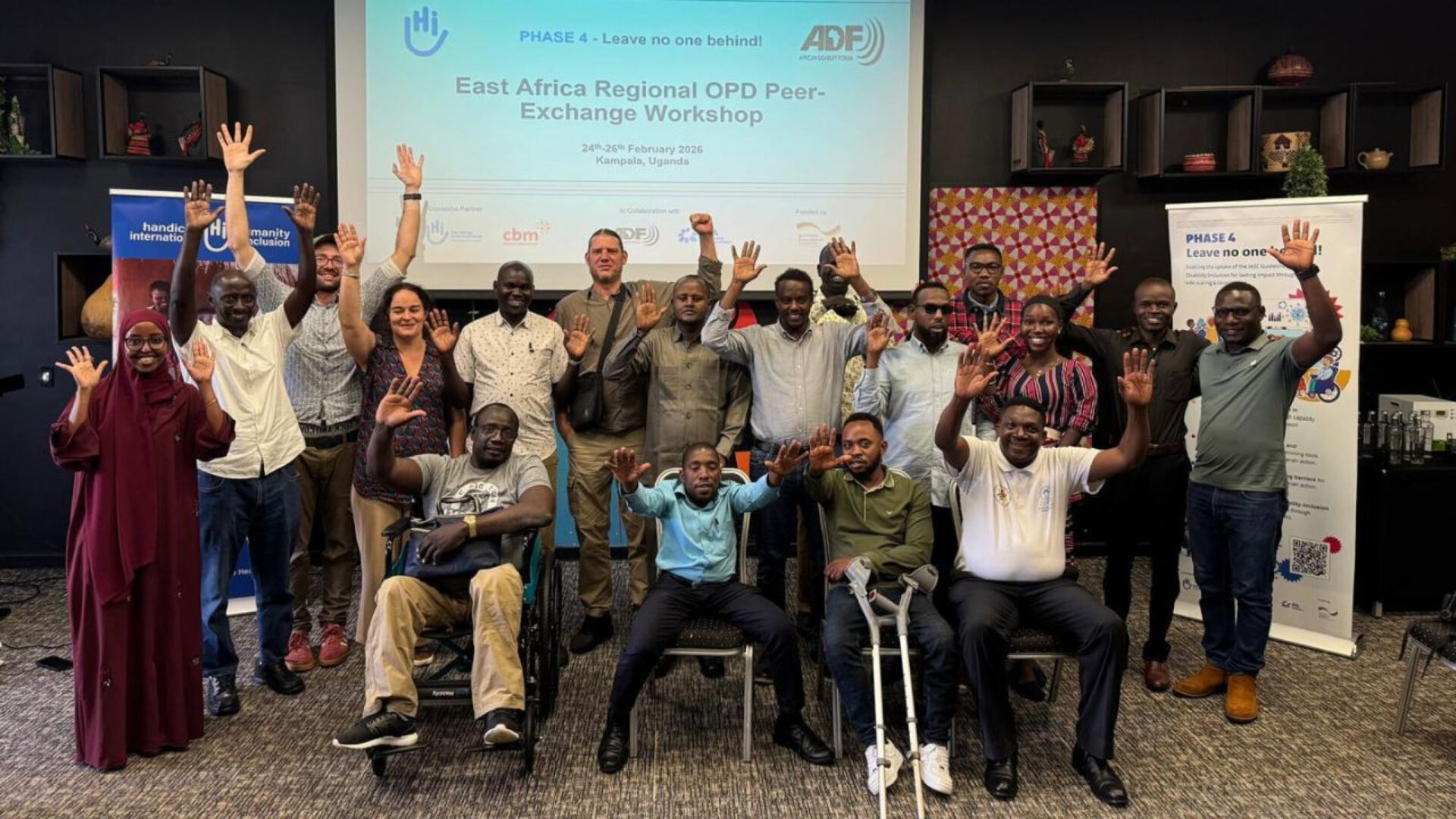
© HI
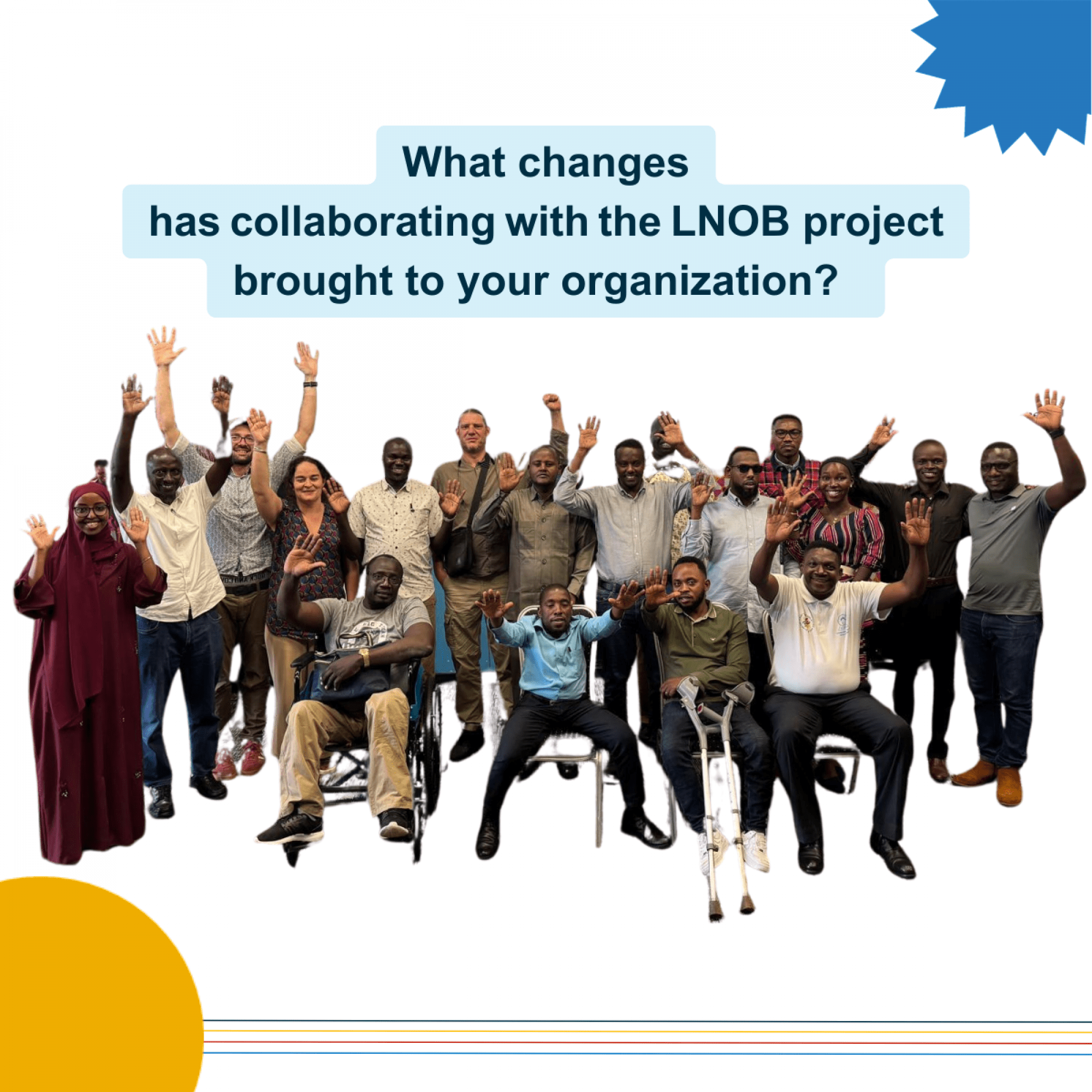
From February 24–26, 2026, Organizations of Persons with Disabilities (OPDs) from South Sudan, Somalia/Somaliland, and Uganda gathered in Kampala for a Regional Peer Exchange Workshop, organized by our Phase 4- Leave No One Behind (LNOB) project together with African Disability Forum (ADF). The event focused on fostering cross-country learning, strengthening expertise, and networking to advance disability-inclusive humanitarian action through collaboration.
The Vital Role of OPDs in Humanitarian Action
Meaningful participation of OPDs is not just a best practice — it’s a Must-Do-Action for inclusive humanitarian response. As outlined in the IASC Guidelines on Inclusion of Persons with Disabilities, OPDs play a critical role in ensuring that the needs and rights of persons with disabilities are addressed in humanitarian crises. Yet, many OPDs face persistent barriers – limited capacity, inaccessible funding and underrepresentation or exclusion in decision-making. Our project addresses these challenges by supporting OPDs through training, coaching, peer-exchange, dedicated small grants, and opening doors to humanitarian coordination mechanisms.
A Platform for Shared Learning and Collaboration
The Kampala workshop brought together OPDs from our project countries in East Africa to exchange knowledge, discuss challenges, and explore solutions. Participants included:
- South Sudan: People with Disability Society (PWDS) and South Sudan Association of Physically Impaired (SSAPI)
- Uganda: National Union of Disabled Persons of Uganda (NUDIPU), Foundations of Persons Affected with Dwarfism (FPAD), WENZETU and Association of Refugees with Disability (ARD)
- Somalia: Somalia Disability Empowerment Network and Disability Aid Foundation Somalia
- Somaliland: Somaliland National Disability Federation and Diversity Action Network
- Continental: African Disability Forum (ADF)
Over three days, OPDs engaged in interactive sessions on participation in humanitarian coordination, evidence-based advocacy, and resource mobilization. They shared practical and critical experiences in their collaboration with LNOB, discussed strategies to advance meaningful collaboration, and explored ways to strengthen regional collaboration. The feedback from the participants was highly positive:
“The Highlight of the LNOB Peer-Exchange workshop for me was the opportunity to engage directly with other OPDs and share practical experiences on advancing disability inclusion. It was especially valuable to learn how different organizations are addressing common challenges, such as meaningful participation of persons with disabilities, partnership building, and influencing inclusive policies.”
— Anonymous OPD Participant
OPDs Leading Change
The collaboration with the LNOB project, which began in Phase 3, has already transformed how OPDs engage in humanitarian action. OPDs highlighted some of the key changes, including:
- Increased knowledge and understanding of the humanitarian system and OPDs technical expertise
- Enhanced capacity to co-facilitate trainings and influence on planning like Humanitarian Needs and Response Plans and Refugee Response Plans
- Stronger partnerships with humanitarian actors and increased visibility and credibility in humanitarian coordination platforms ensuring disability inclusion is part of the programming.
Organizations like Association of Refugees with Disability (Uganda) and Disability Aid Foundation-DAF (Somalia) reported on significant progress:
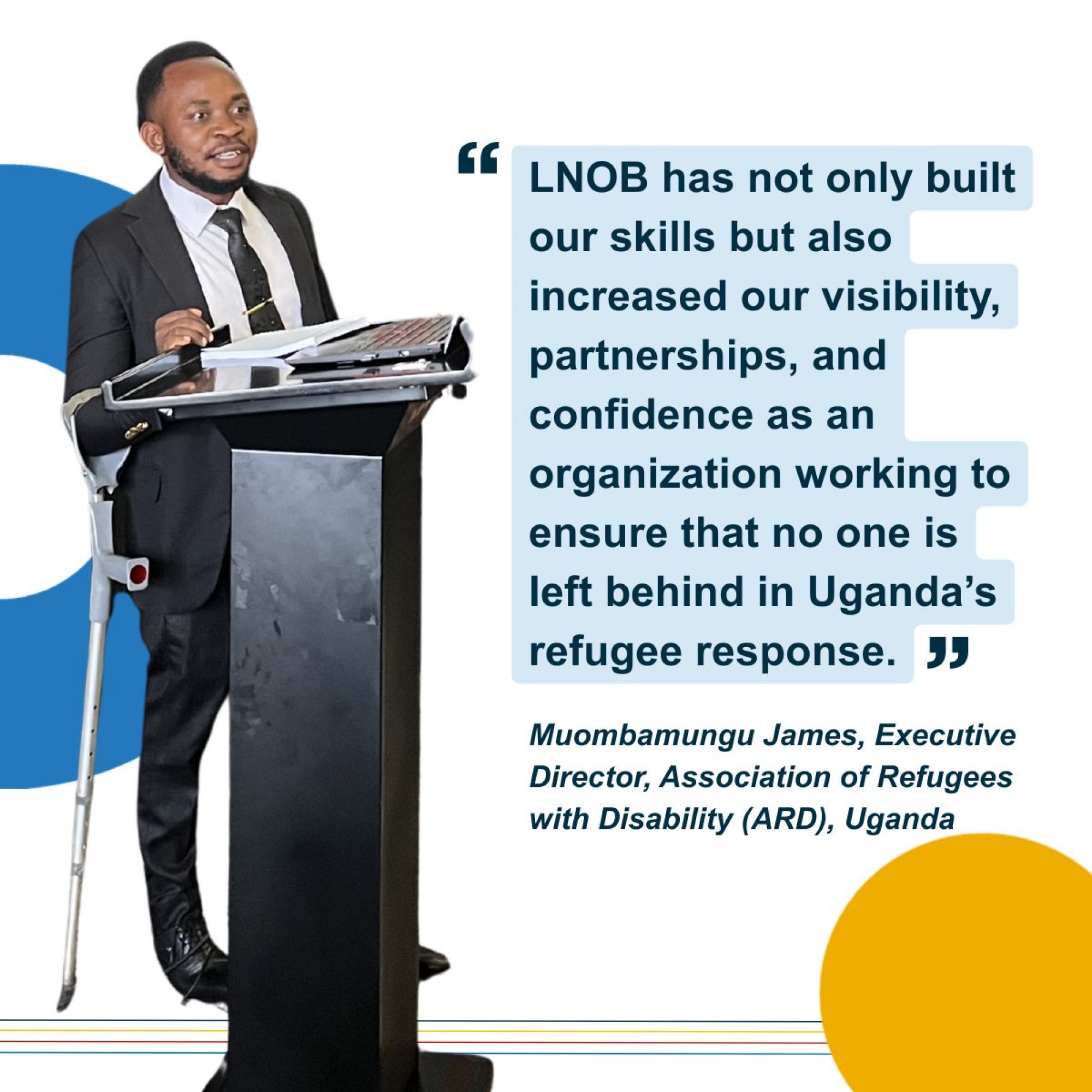
“Collaborating with the LNOB project has brought very meaningful and practical changes to our organization. First, it strengthened our capacity. Through the IASC Guidelines trainings our team gained deeper understanding and confidence in promoting disability inclusion within humanitarian action. This has improved how we engage with partners and contribute to the refugee response. Second, the sub-grant in Phase 4 allowed us to conduct important research on barriers faced by refugees with disabilities and the impact of funding cuts.”
— Muombamungu James, Executive Director, Association of Refugees with Disability ARD
and
“The impact in Somalia has been significant. Our engagement in coordination forums has become more strategic and evidence-based. LNOB has helped position OPDs not merely as beneficiaries but as partners contributing technical expertise in disability-inclusive humanitarian action. This shift is essential in a context like Somalia, where persons with disabilities are disproportionately affected by crises.”
—Abikar Hussein Bashir, Programs Director, Disability Aid Foundation-DAF (Somalia)
The Path Forward: Critical Reflections
The workshop also provided space for critical reflections on the challenges of partnerships in LNOB and beyond. Building on this momentum, OPDs emphasized the need for:
- Engagement in long-term projects where OPD are involved in all project cycle processes in formalized ways,
- Secure funds that cover also operational costs —not just short-term incentives,
- Greater visibility for OPDs,
- Strengthening capacity in areas such as joint proposal writing and consortium partnerships,
- Moving from the small project partnership to consortium partnership with OPDs.
The LNOB project remains committed to supporting OPDs as key partners in humanitarian action. Collaboration continues at a national level, where peer- exchanges, networking and activities continue.