Training-of-Trainers Workshop for FNPH Regional Representatives on Disability Inclusion in Humanitarian Action in Niger
Category
Capacity Strengthening General Niger Pilot Countries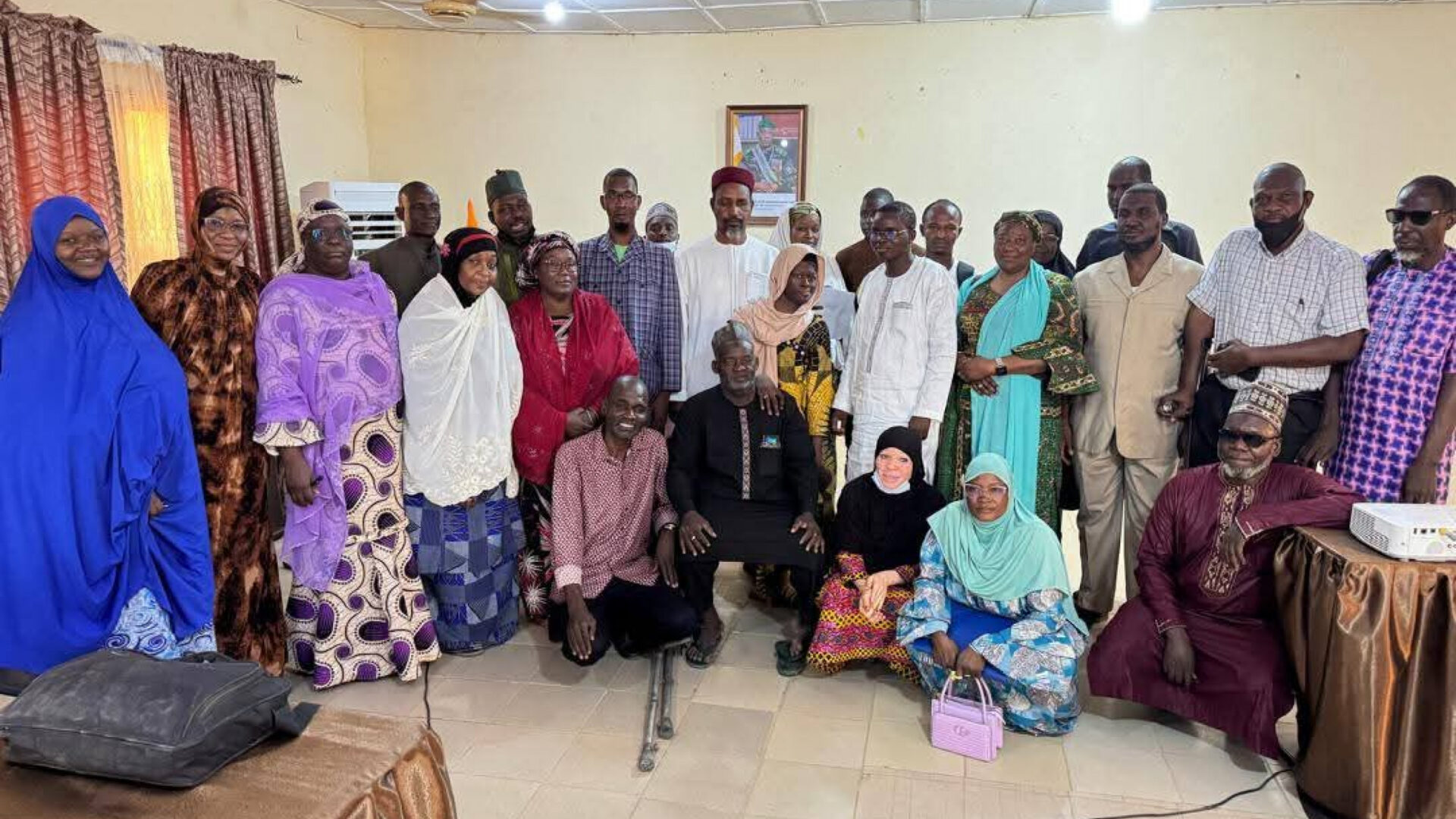
© CBM
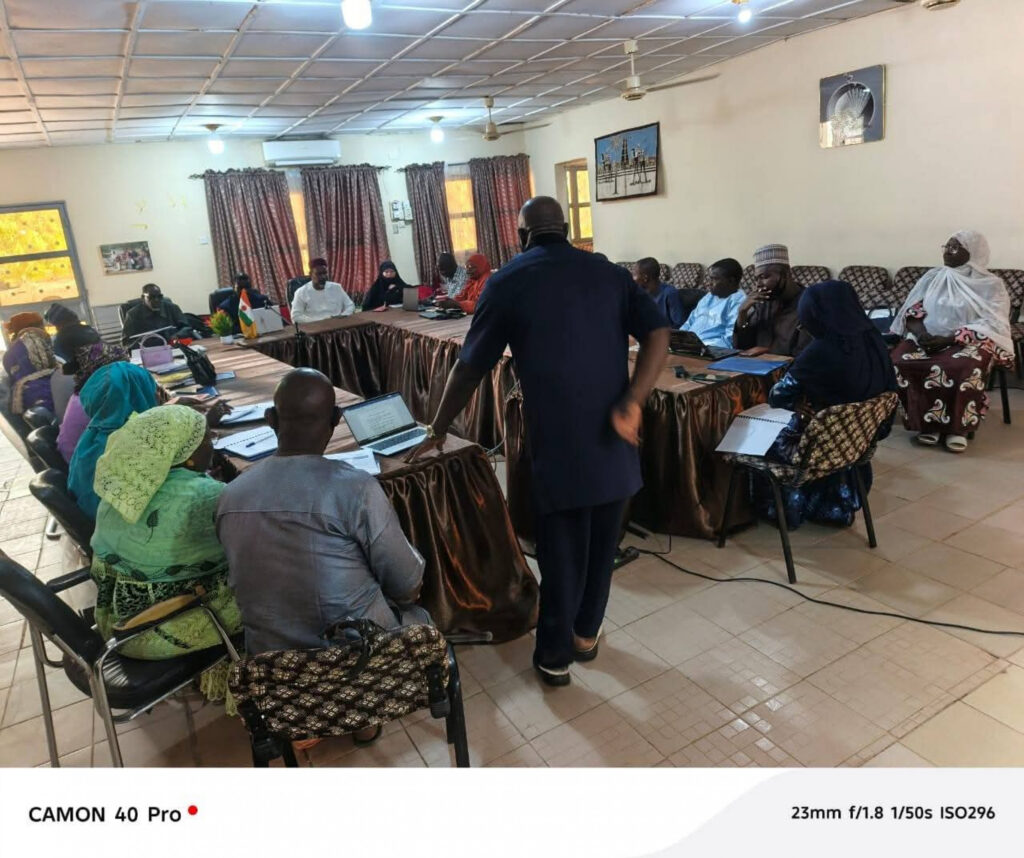
As part of Phase 4 of the Leave no one behind! (LNOB4) project, the FNPH, with support from CBM Niger, organized a training-of-trainers workshop in Maradi from April 7 to 9, 2026, bringing together 17 regional representatives with disabilities (9 men and 8 women) to cover 18 context-specific modules on disability inclusion in humanitarian action, with the aim of strengthening their capacity to promote more inclusive humanitarian interventions at the local and regional levels.
Strengthening the Capacities of Organizations of Persons with Disabilities
The training aimed to strengthen the technical and pedagogical skills of FNPH’s regional representatives to create a network of trainers capable of disseminating knowledge regarding the inclusion of disability in humanitarian action in Niger. This approach helps to sustainably build the capacity of Organizations of Persons with Disabilities and support their role as key actors in promoting the rights of persons with disabilities at the local and regional levels.
Developing Key Skills for Disability Inclusion
The workshop deepened participants’ knowledge on several key topics, including the rights of people with disabilities, the principles of inclusive humanitarian action, gender and disability, accessibility, equality and non-discrimination, access to services, inclusive data, advocacy, inclusive communication and facilitation, as well as disability-sensitive planning and budgeting. These areas serve as strategic levers for achieving the objectives of the LNOB4 project.
A participatory approach that promotes learning and ownership
To ensure better assimilation of the content, facilitators from FNPH and CBM Niger prioritized an interactive methodology combining presentations, case studies, testimonials, role-playing, group work, and practical exercises. This approach fostered exchanges among participants and strengthened their ability to adapt what they learned to the realities of their respective regions.
Regional Commitments to Inclusive Humanitarian Action
The various sessions allowed participants to put their newly acquired knowledge into practice through group work and debriefing exercises. In particular, the regional chapters formulated concrete commitments aimed at strengthening the inclusion of people with disabilities in humanitarian actions carried out in their areas of operation.
Convincing Results Supporting the LNOB4 Objectives
At the conclusion of the training, participants had strengthened their capacities regarding disability inclusion in humanitarian action, as evidenced by the 33.33% improvement recorded on the post-test. These gains will enable them to promote and implement more inclusive humanitarian interventions, while fostering greater consideration for and active participation of people with disabilities at the local and regional levels.
Text by Aida Soumana Hamani, CBM, Niger