Training on Disability-Inclusive Data Collection and Needs Assessment Development in Cameroon
Category
Cameroon Capacity Strengthening Pilot Countries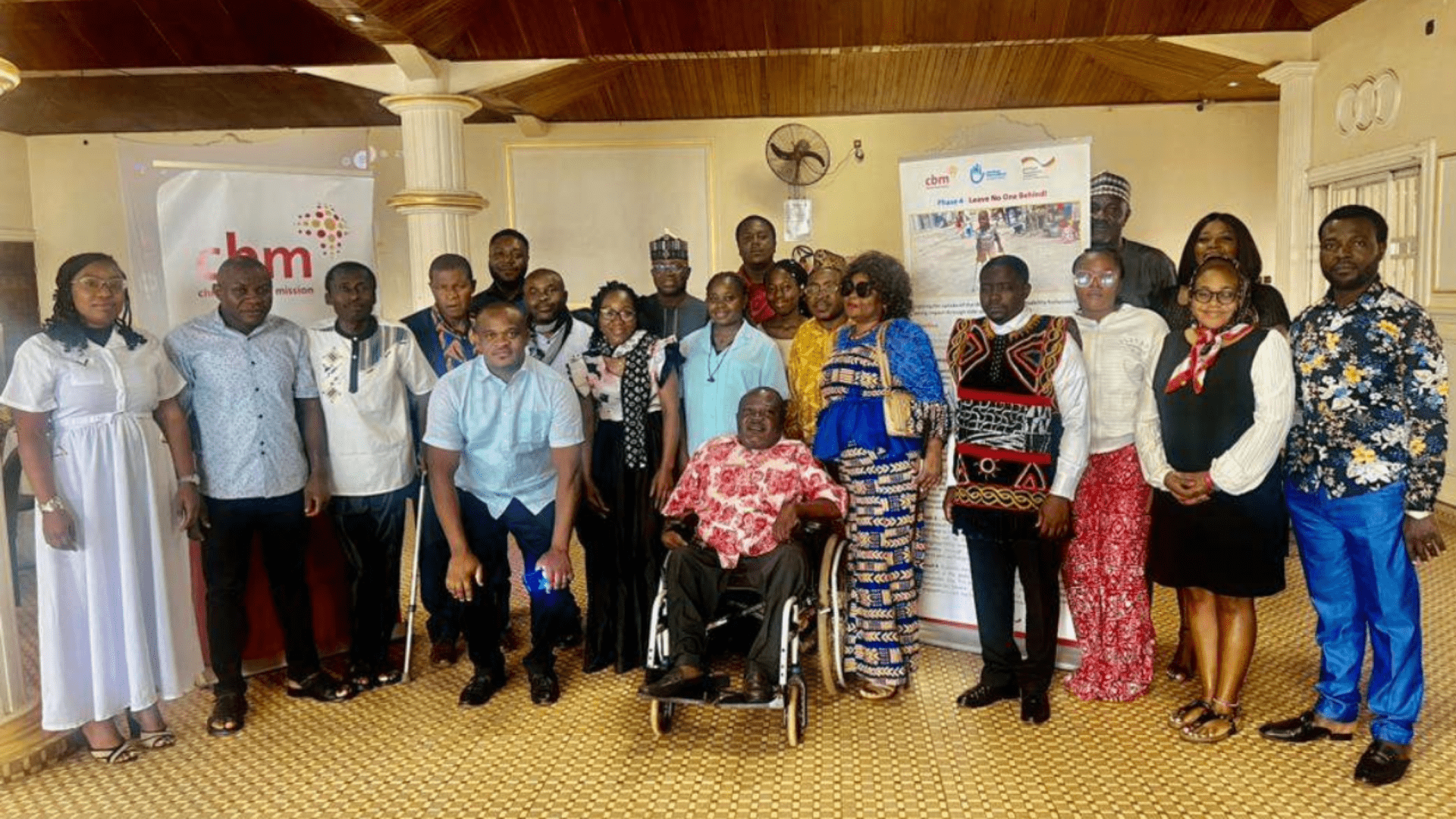
© CBM Cameroon
In an effort to advance disability-inclusive humanitarian practices, the CBM Cameroon Humanitarian Team, alongside OPD partners, hosted a training workshop in Cameroon as part of the Leave no one behind! project. This initiative aimed at equipping OPDs with technical and operational knowledge on disability-disaggregated data collection.
Earlier this year, the CBM Cameroon, under the Leave no one behind! (LNOB) project, organized a four-day training workshop in Bafoussam in collaboration with Organization of Persons with Disabilities (OPDs) CUAPWD and Plateforme Inclusive Society. The workshop brought together 21 participants including persons with disabilities, representatives of OPDs, and CBM staff and a consultant.
Training Objectives and Methodologies
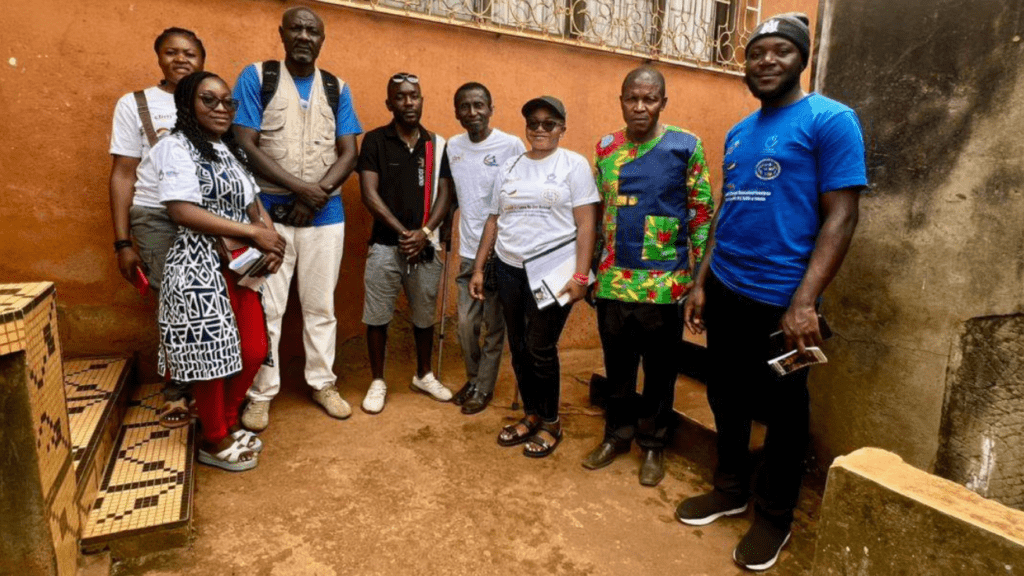
The training aimed to strengthen participants’ capacities in disability-disaggregated data collection and the development of disability-inclusive needs assessment tools for humanitarian contexts. It enhanced OPDs’ technical and operational capacity to design, collect, analyze, and use disability-disaggregated data through inclusive and ethical needs assessment methodologies, including the Washington Group Short Set (WG-SS). Practical field exercises in nearby communities allowed participants to apply their newly acquired skills, while an introduction to digital tools strengthened their digital data collection and management capacities.
Capacity Strengthening and Practical Application
As a result of the activity, participating OPDs strengthened their understanding of disability-inclusive humanitarian action and improved their ability to develop and test context-specific data collection tools. Interactive learning through group work, peer exchange, presentations, and discussions fostered a collaborative environment, while practical sessions on digital data collection, ethical data management, and safeguarding enhanced their readiness to engage in humanitarian coordination processes and evidence-based advocacy
Strengthening OPD Leadership and Follow-Up
The training contributed to positioning OPDs as credible technical actors within national humanitarian data systems and coordination mechanisms, thereby advancing localization and supporting their increased leadership role in disability-inclusion working groups and cluster engagement. As a follow-up of the program, three working group meetings have been held virtually to finalize the needs assessment questionnaire where the tool was reviewed and amendments were made to make it more inclusive.
Key Takeaways
- Disability-disaggregated data is essential for ensuring that humanitarian assistance reaches persons with disabilities and other at-risk groups.
- The amended WG-SS is a valuable tool for identifying functional difficulties, including psychosocial disabilities.
- Effective needs assessments require meaningful community engagement and adequate preparation before data collection.
- Accessibility considerations should be integrated throughout the data collection process to ensure the participation of all individuals.
- Strengthening the capacities of OPDs enhances their role as key actors in inclusive humanitarian action and advocacy.
The training reinforced the importance of inclusive data collection in humanitarian programming and equipped participants with practical tools and skills to support evidence-based and disability-inclusive responses. CBM and its partners remain committed to promoting inclusive humanitarian practices in Cameroon through continued collaboration and technical support.
Text by CBM Cameroon