Uganda’s PSN Sub-Working Group Reawakens – A Transformative Milestone for Disability Inclusion Under LNOB
Category
General Uganda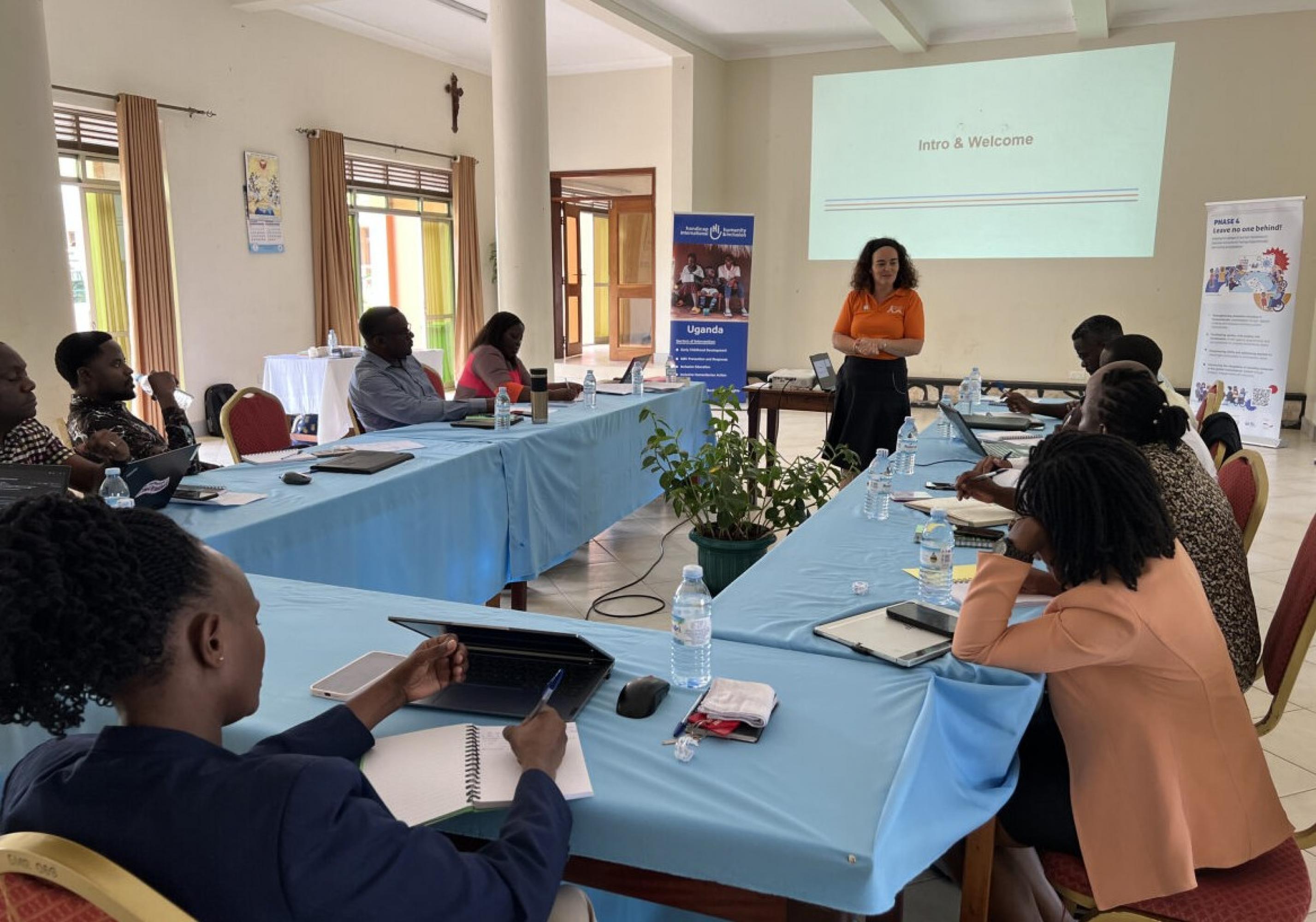
© Victor ALOCHI/ HI
Uganda’s humanitarian coordination system has marked a major breakthrough with the revitalization of the Persons with Specific Needs (PSN) Sub-Working Group (SWG), a platform that had remained dormant since early 2023. Through deliberate leadership, persistent engagement, and strong partnerships under Phase 4 – Leave no one behind! (LNOB 4) project the PSN SWG has now regained its place as a critical driver of disability, gender and age inclusion within the refugee response.
This milestone did not happen by chance. It is the result of coordinated efforts between Humanity & Inclusion (HI), UNHCR, the National Union of Disabled Persons of Uganda (NUDIPU), OPDs, and multisector partners committed to strengthening rights-based, inclusive humanitarian action.
The journey began with a series of strategic engagement meetings facilitated by LNOB 4, where HI and UNHCR jointly reflected on the gaps left by the inactivity of the PSN SWG and agreed on a roadmap to revive it. Recognizing the necessity of OPD leadership, HI played a central role in bringing NUDIPU on board as a national co-chair, making the PSN SWG one of the few humanitarian coordination structures in Uganda where OPDs hold formal leadership positions. HI itself assumed co-chair responsibilities alongside UNHCR, strengthening technical guidance and signalling a renewed commitment to inclusive coordination.
One of the first major achievements was the research on the commonly used tools presentation that was made to the National Refugee Protection Working Group under LNOB 3 which re-ignited the need at coordination level, this was followed by PSN Partner Mapping Exercise conducted in mid-2025, supported by LNOB 4. This exercise identified actors working with older persons, persons with disabilities, and other PSNs across sectors and regions. It provided the evidence base needed to re-establish a functional coordination platform, ensuring that participation would be broad, representative, and informed by the realities of field-level implementation.
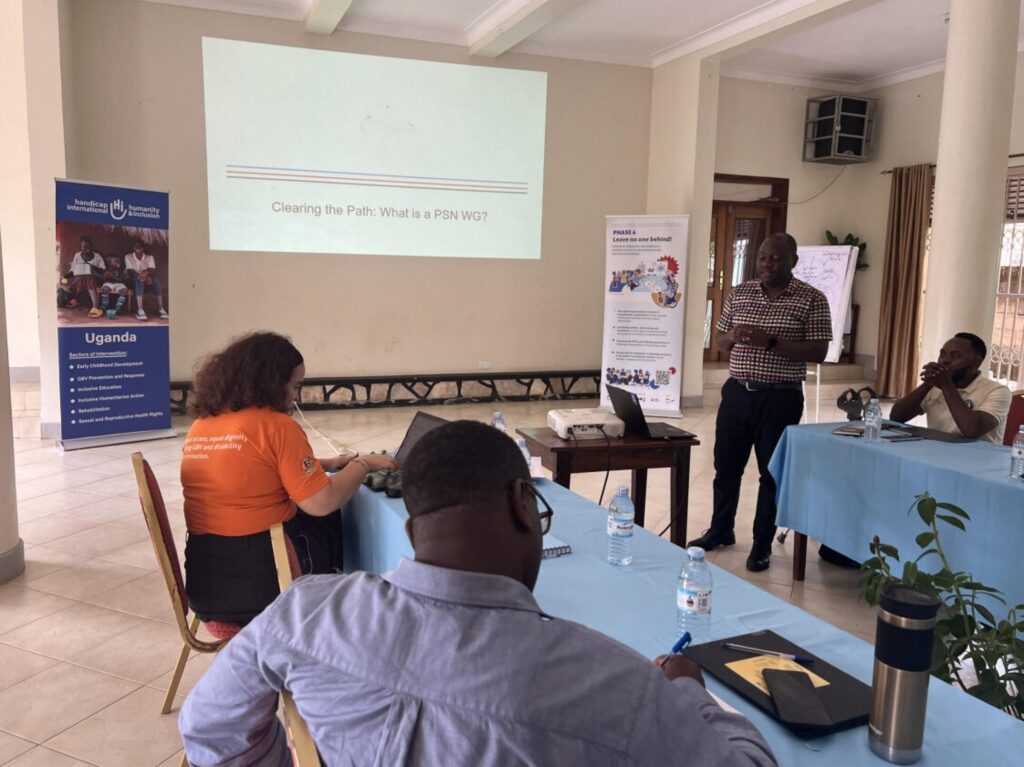
The efforts culminated in October 2025 with the successful convening of the first PSN Sub-Working Group meeting in more than two years, an important and symbolic moment for partners who had long advocated for the revival of PSN coordination mechanisms. During this meeting, members agreed to establish a dedicated PSN Taskforce to accelerate technical work, steer sector engagement, and support the strategic rebuilding of the group.