
Empowering Local Leadership: Shifting Power in Food Security Sector in Nigeria
Category
Capacity Strengthening IASC-Guidelines Nigeria Pilot Countries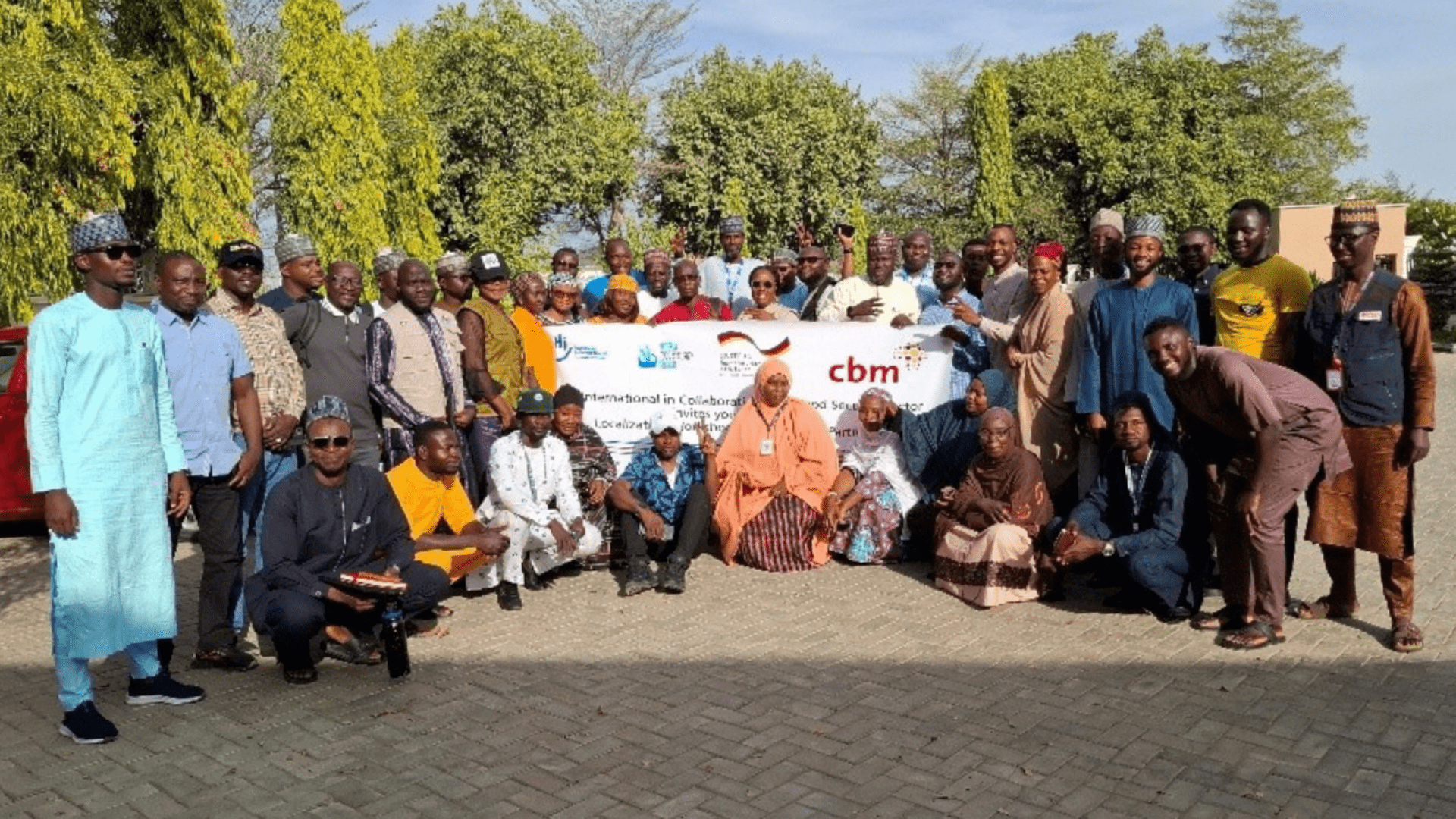
© CBM
Through Phase 4 – Leave no one behind!, CBM is supporting disability-inclusive and age-inclusive coordination across three states in Nigeria. The project promotes the IASC Guidelines on Inclusion and strengthens local capacities so that national actors can lead humanitarian decision-making in a sustainable and community centered way.
Workshop Overview: Strengthening Local Leadership
The commitment was highlighted during a two-day workshop held from 11 to 12 February 2026 in Damaturu, Yobe State, Nigeria. Fifty-five participants from government bodies, NGOs, and community-based organizations came together to strengthen local leadership in the food security response. The workshop was facilitated by CBM in collaboration with the Food Security Sector, OCHA, and WFP.
Day One: Decentralizing Food Security Decision-Making
On the first day, discussions focused on how major decisions in the food security sector often remain centralized despite most frontline work being carried out by local actors. Participants reviewed food security data and explored how stronger local leadership can improve targeting and make assistance more responsive to changes on the ground. Good practices from Adamawa showed how early, locally driven action helped households avoid negative coping strategies.
Day Two: Community Accountability and Feedback Mechanisms
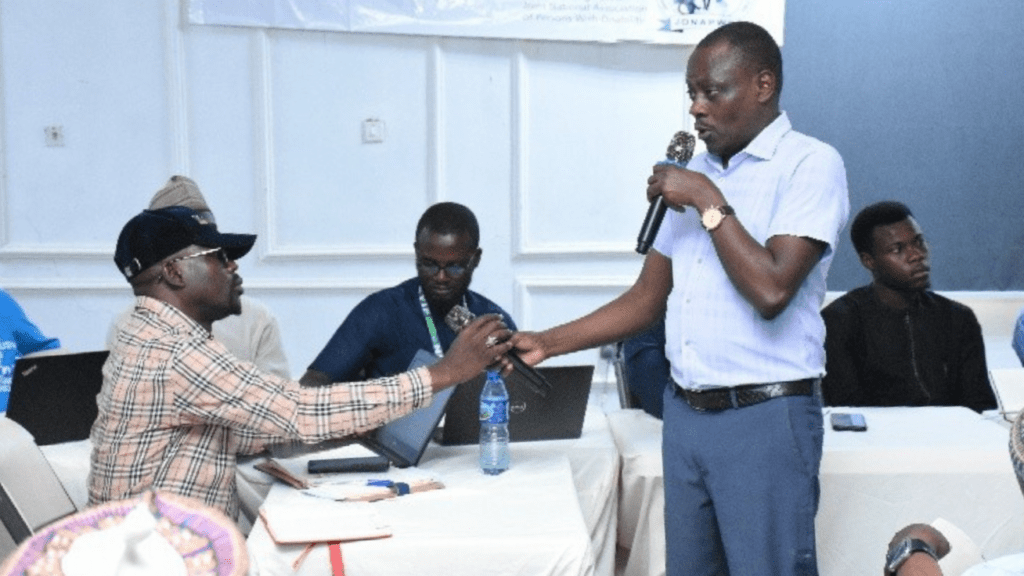
The second day centered on accountability to affected communities and the role of feedback in improving program design. Examples from Borno and Yobe included community preferences for mobile money assistance in urban areas and improved crop yields when seed distributions aligned with planting seasons. Updated beneficiary lists, informed by community input, were shown to reduce tensions and build trust. Participants also examined the use of community meetings, help desks, hotlines, text messages, and accountability committees to ensure programs reflect real community needs.
Practical Support for Community Leadership
Throughout the workshop, participants emphasized that capacity strengthening must go beyond training alone. Many local organizations already have strong expertise but face barriers that limit access to direct funding and leadership roles in coordination platforms. To address this, the workshop offered guidance on proposal writing, reporting, financial management, monitoring tools, and participation in the Response Planning and Monitoring system, enabling local actors to lead consortia and manage donor funds effectively. The inclusive Food Security Training Package developed by LNOB will be made available soon.
Localization as a Practical Necessity for Sustainable Impact
The workshop concluded with a shared understanding that localization is not just a policy of ambition. It is a practical necessity in a context where needs continue to rise and resources remain limited. Community leadership makes food security interventions more adaptive, timely, and sustainable and plays an increasingly important role in shaping the Humanitarian Needs and Response Plan and the humanitarian reset planned for 2025 and beyond.
For households entering the 2026 lean season, this shift matters. It ensures that decisions are grounded in lived experience and informed by people closest to both the challenges and the solutions. The commitment shown by local partners in Yobe State demonstrates that a more inclusive, community-centered humanitarian response is already taking shape.
Text by Fredrick Aduga, CBM, Nigeria