
First East African Regional-Level Training on Disability-Inclusive Food Security in Kenya
Category
Capacity Strengthening General IASC-Guidelines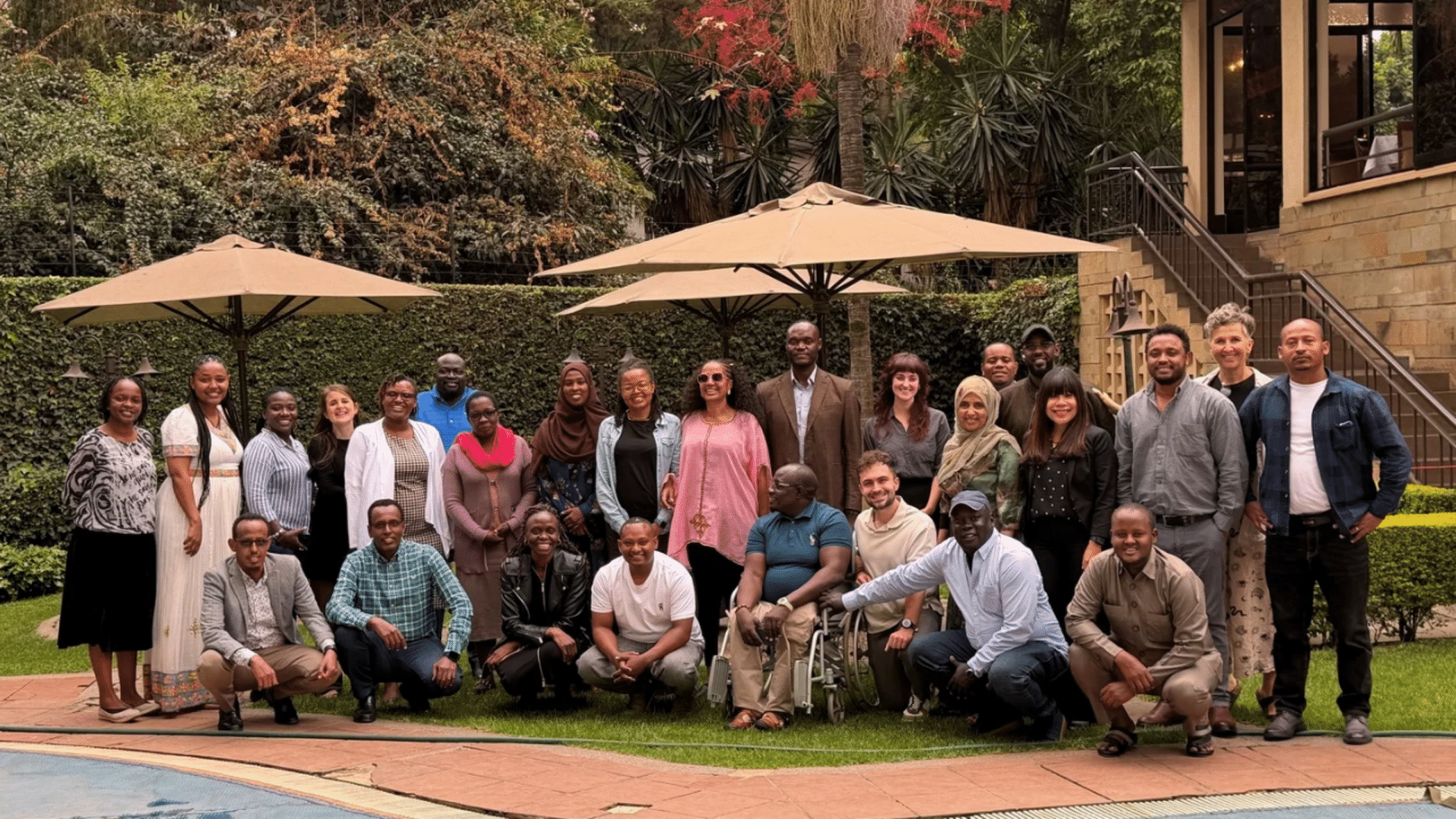
© HI
NGOs and organizations of persons with disabilities (OPDs) from across East Africa came together in Nairobi from October 13-16 for a training on disability-inclusive food security programming. Participants left with practical tools and concrete plans to apply them.
Bringing Disability-Inclusion into Food Security Responses
Following the publication of the Food Security training package, the Phase 4 – “Leave no one behind!” (LNOB) project held its first East Africa regional-level workshop in Nairobi, Kenya. The training brought together representatives from international organisations, NGOs, and OPDs to strengthen disability-inclusion in humanitarian food security programming.
The training aimed to strengthen the knowledge of regional food security actors, help them to adapt their existing tools to reflect disability-inclusive practices, and encourage wider use of the recently developed inclusive Food Security training package. The workshop also gave NGOs and OPDs space to learn from each other and explore joint programming and collaboration.
Practical Tools, Directly Applicable
What does universal design mean for a food distribution, or reasonable accommodation in the food security sector? How can we ensure people with disabilities meaningfully participate in our programming? What does inclusive Cash and Voucher Assistance look like? The training answered such questions module by module, drawing on the Inter-Agency Standing Committee (IASC) Guidelines, the Must Do Actions and the twin-track approach.
For many participants, the value also lay in how directly the tools connect to their daily work. “The modules improved our understanding of disability and gave us practical tools […]. We will apply them in project design, data collection, targeting, feedback mechanisms, and partner coordination,” one participant summarized.
Another participant highlighted what this means for them in practice: “I learnt about the importance of inclusion and what reasonable accommodation means. I learnt how to adjust our existing tools.”
Turning Learning into Action
As part of the workshop participants also had the chance to develop action plans to put their newly gained knowledge into practice. Their strategies include commitments such as:
- Raising the capacity of staff and partners on disability inclusion
- Enhancing engagement and collaboration with OPDs
- Considering disability inclusion from proposal design through to reporting, across all stages of the programme cycle
- Training more staff and colleagues on the topic
“The training helps staff better understand the barriers faced by persons with disabilities and equips them with actionable approaches to make programmes more accessible, inclusive, and effective for all affected populations,” another participant noted.
The workshop closed with remarks by the Head of Humanitarian Affairs for Somalia at the German Embassy in Nairobi, underscoring the importance of disability-inclusive humanitarian action in the region.
A Starting Point for Disability-Inclusive Food Security
As the first regional-level workshop for East Africa since the publication of the Food Security training package, it marks a starting point for wider uptake in the region and across the LNOB pilot countries in East and Western Africa.