
New Training Package on Disability-Inclusive Food Security
Category
Capacity Strengthening General IASC-Guidelines Tools and Guidance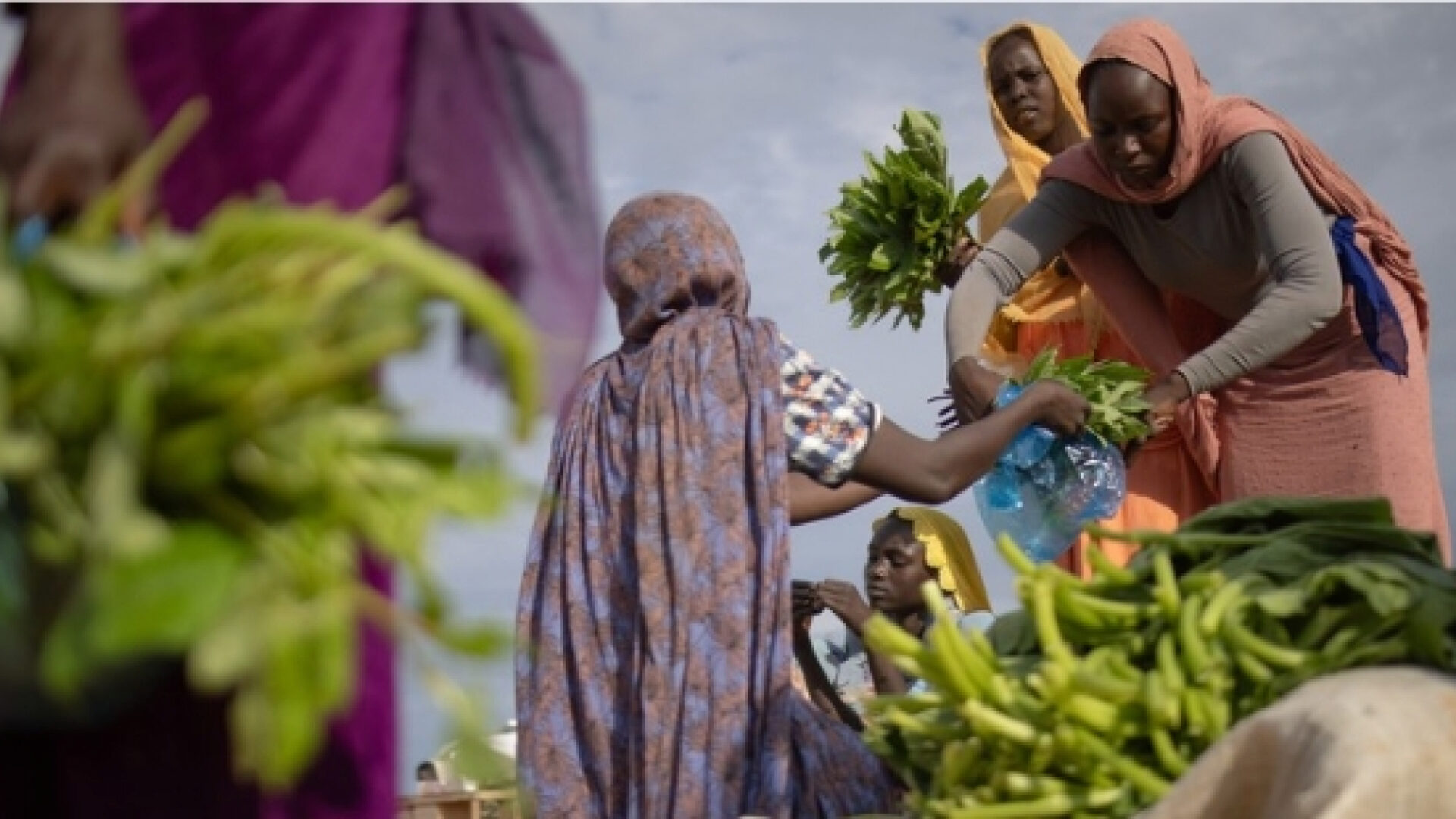
© T. Nicholson/HI
Planning a training on disability-inclusion in humanitarian Food Security programming? Want to ensure your Food Security colleagues know how to ensure accessibility and meaningful participation of persons with disabilities in food security services and coordination? Then have a look at our new training package, now available in English (French coming soon!).
The training package is a modularized tool to facilitate practical trainings for humanitarian staff engaged in the Food Security sector. It aims to strengthen the understanding of the rights-based approach to disability and applying the IASC Guidelines on Inclusion practically to make Food Security programmes, coordination and services more inclusive of persons with disabilities.
The training package was developed through an inter-agency co-creation process, bringing together the expertise of UN agencies, NGOs and Organizations of Persons with Disabilities, including Humanity & Inclusion, World Food Programme (WFP), Action Against Hunger (ACF), Malteser International, Welthungerhilfe (WHH), the Global Food Security Cluster, and the African Disability Forum (ADF).
Content
The eight modules of this training package are intended to facilitate trainings for humanitarian staff engaged in Food Security programming, coordination, MEAL and technical advisory. They cover key-topics:
- the rights-based approach to disability, barriers & enablers and intersectional risks in Food Security programming,
- navigating and applying the IASC Guidelines on Inclusion of Persons with Disabilities in Humanitarian Action for Food Security Actors,
- situating disability-inclusion within the humanitarian Food Security landscape,
- understanding accessibility, reasonable accommodation and universal design with a Food Security lens and how they contribute to remove barriers that hinder persons with disabilities’ equitable access to Food Security services and coordination,
- applying the 4 Must-Do-Actions (MDAs) and the twin-track approach in humanitarian Food Security programming and coordination,
- operationalising the 4 MDAs within the humanitarian Food Security project cycle,
- strengthening Accountability to Affected People (AAP) by ensuring disability-inclusive participation and accessible feedback and complaint mechanisms, as well as
- ensuring Cash and Voucher Assistance (CVA) for Food Security is accessible and inclusive of persons with disabilities.
Additionally, the package includes an orientation module to the Food Security sector for actors incl. Organisations of Persons with Disabilities (OPDs) without specific sector-knowledge to support especially a localised uptake of the training package.
Use together with:
We recommend utilizing the training package together with the “RAAL – Review, Adapt, Action and Learning” methodology and the “Guidance to adapt food security data collection tools to generate better information on persons with disabilities”
Link to the Package
You can access the full training package, which includes the PowerPoint presentations, facilitation guides, videos, and group work exercises to facilitate your own training!
The production of the training package was financially supported under Phase 4 – Leave no one behind!, funded by the German Federal Foreign Office.