Promoting Inclusion in Food Security Distribution: Training Empowers Humanitarian Actors in Borno State
Category
Capacity Strengthening General Nigeria
© CBM
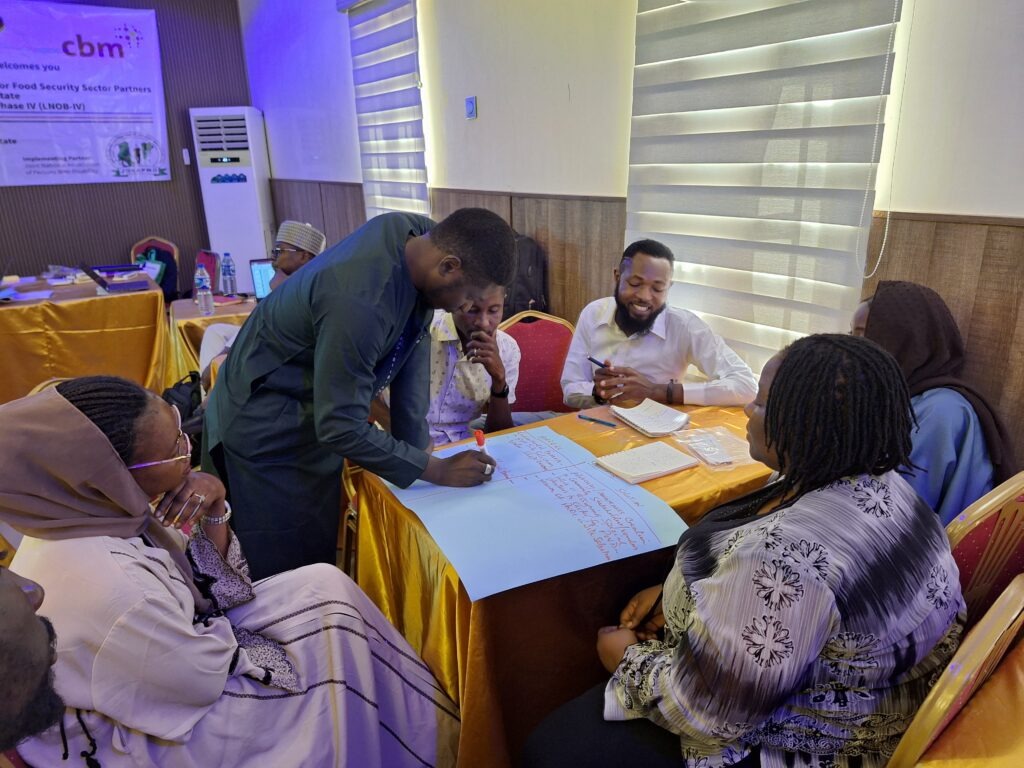
In an effort to ensure that no one is left behind in the Food Security Sector (FSS), Christian Blind Mission (CBM) International Nigeria organized a two-day training on disability inclusion under the Phase 4 – Leave no one behind! project. The training was held from 13 to 14 October 2025 in Maiduguri, Borno State, and aimed to strengthen the inclusion of marginalized groups within the food security response.
The sessions were facilitated in collaboration with CBM’s partner, the Joint National Association of Persons with Disabilities (JONAPWD). They brought together key actors from the Food Security Sector (FSS), including UN agencies, international and national non-governmental organizations (INGOs and NGOs), and government institutions, those at the forefront of humanitarian interventions in Borno State. In total, twenty-eight men and twenty-one women from various organizations participated in the training.
The training emphasized the application of the Inter-Agency Standing Committee (IASC) Guidelines on the Inclusion of Persons with Disabilities in Humanitarian Action, particularly in the context of food distribution. Participants engaged in interactive sessions covering key topics such as the concept of disability, inclusive humanitarian action, accessibility, universal design, and reasonable accommodation. The sessions also introduced the must-do actions, the twin-track approach, the inclusive project cycle, and inclusive community engagement and accountability to affected populations. Through group work, exercises, and real-life case scenarios, participants reflected on existing gaps in their service delivery and committed to exploring ways to make food distribution programmes more inclusive.
Mr Kazeem Owolabi, a WFP co-lead of the food security sector, stated:
“This training has broadened my understanding of disability inclusion, and the knowledge I acquired came timely during the analysis of Cadre Harmonize and the development of the 2026 HNRP.”
At the end of the training, each participant had developed an inclusive action plan tailored to their organization. CBM International staff will follow up with participants to ensure the effective implementation of their respective action plans.
Text by Karagama Ishaku, CBM, Nigeria