
Disability-Inclusive Humanitarian Action: Tools and Guidance

© HI / Studio Amazink
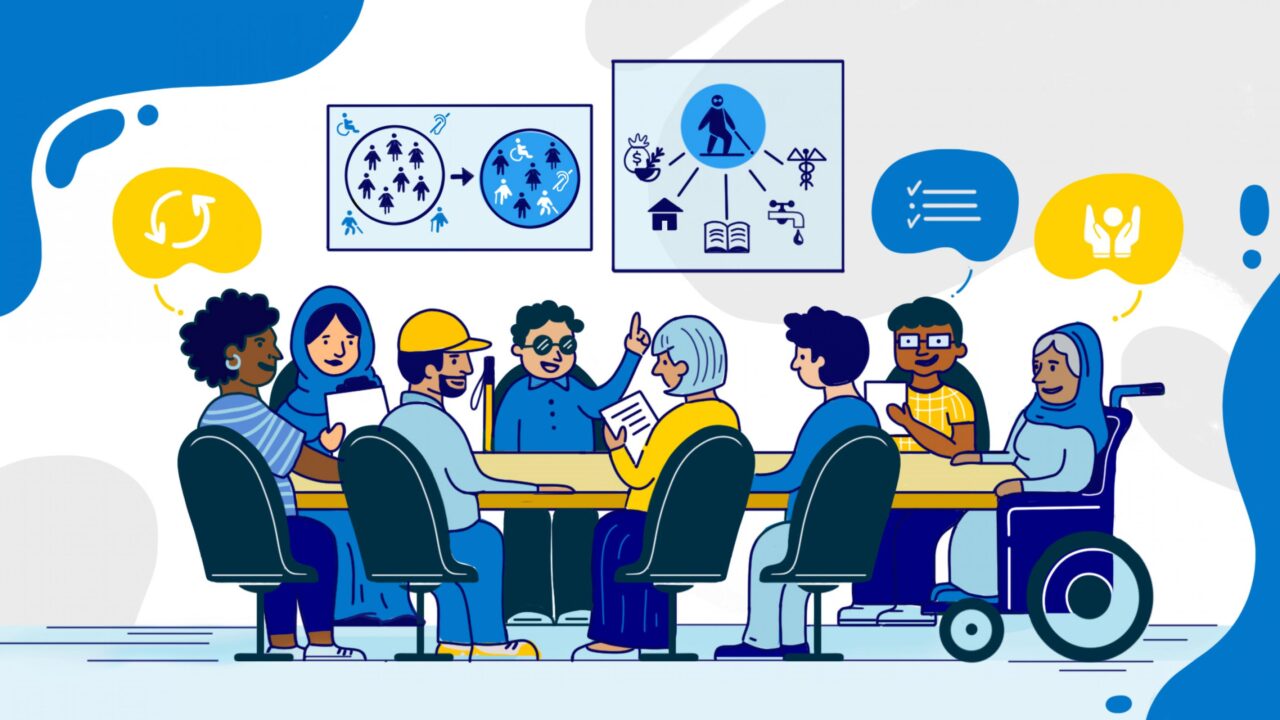
This website provides you a free acces to the latest tools, guidance and case studies to make humanitarian programming more inclusive for persons with disabilities. These tools were presented during the Global Disability Summit (GDS) 2025 and the Humanitarian Congress Berlin 2026 at the stand of Humanity & Inclusion - Handicap International (HI).
Phase 4 - LNOB is a consortia project in which HI and CBM collaborate with IDA and ADF and several local OPDs in the 6 project countries to enhances the uptake of the IASC Guidelines on Inclusion for lasting impact through side-scaling and localization.
With the support from the German Federal Foreign Office, Aktion Deutschland Hilft and DG ECHO, we have developed together with other humanitarian actors over the past years tools and guidances and documented best practices on disability-inclusion, that can be replicated and used by others to advance their humanitarian programms.
We are happy to share the latest inter-agency tools, guidances and case studies with you!
How does HI work in inclusive humanitarian action?
HI focuses on four key areas and acts mostly in collaboration with organizations of persons with disabilities:
- Capacity strengthening and sharing of humanitarian actors on ways to advance their programming in order for persons with disabilities to access and engage meaningfully in humanitarian action.
- Advancing the data collection and evidence around barriers and risks faced by persons with disabilities and how those can be overcome to access humanitarian services, such as food, WASH and health.
- Promoting and supporting the empowerment and meaningful participation of persons with disabilities in humanitarian action and coordination.
- Identification of barriers and enablers to access humanitarian services and to engage in coordination mechanisms.
As a result of our actions, numerous local and international humanitarian actors were able to adjust their programming and enhance meaningful participation of persons with disabilities in their responses and coordination efforts. Moreover, also organizations of persons with disabilities were able to advance their engagement in humanitarian coordination and response, playing a vital role for a humanitarian response that included those most at risk in crises.
Latest resources and tools for use, upscale and replication
Each box contains a brief description on what for, for whom and by whom the tools are and includes a link to the resource.
Training Package on Disability-inclusive WASH
What for?
A modular learning package on disability-inclusive Water, Sanitation, and Hygiene (WASH) adapted from the DRG training modules "Introduction to Disability-inclusive Humanitarian Action", including additional modules on disability-inclusive Menstrual Health & Hygiene (DiMHH) and disability-inclusive community engagement.
For whom?
Humanitarian staff with programming, coordination and/ or technical roles in their organizations in the WASH sector.
By whom?
In collaboration of HI, UNICEF, Malteser International, German Toilet Organisation, WaterAid, Inclusion Africa.
Training Package: Inclusive Humanitarian Action (DRG Modules)
What for?
Modular training package on introducing disability in humanitarian action focusing on interactive ways to strengthen skills, understanding and gain confidence on humanitarian programming, accessibility, the legal framework, project cycle management and accountability to affected population. Accompanied by supporting guides, pre- and post assessments, and learning materials. Adaptable to organizational needs and context.
For whom?
Humanitarian staff in charge of facilitating trainings for programmers, colleagues working on AAP, MEAL and partnerships. The content is relevant across different sectors and contexts.
By whom?
Developed by Disability Reference Group (DRG)
Training Package on Disability-inclusive Food Security
What for?
A modular learning package adapted from the DRG's training modules “Introduction to Disability-Inclusive Humanitarian Action” with specific focus on the food security context. Providing practical solutions for inclusive programming, gaining insights into accessibility, universal design, and reasonable accommodation as well as inclusive cash and voucher assistance.
For whom?
Humanitarian staff with programming, coordination and/ or technical roles in their organizations (International Organizations, NGOs, and Organizations of Persons with Disabilities (OPDs) in the Food Security sector.
By whom?
HI in collaboration with World Food Program, Welthungerhilfe, Action Against Hunger, Malteser International, African Disability Forum, and World Federation of the Deaf
Training Package on Disability-inclusive Health
What for?
A modular learning package adapted from the DRG's training modules “Introduction to Disability-Inclusive Humanitarian Action”. It outlines how to include persons with disabilities in humanitarian Health response, including of two additional modules on Informed Consent and Health Workforce.
For whom?
Humanitarian staff with programming, coordination and/ or technical roles in the health sector.
By whom?
In collaboration of HI, International Rescue Committee, Médecins Sans Frontières, Inclusion Africa, United Disabled Persons of Kenya, the Differently Talented Society of Kenya.
E-Learning on Disability-inclusive Humanitarian Action
What for?
Self-paced learning on introducing disability in humanitarian contexts, accessibility and reasonable accommodation, the legal framework and accountability to affected population. Based on the DRG Modules.
For whom?
Humanitarian staff engaged in programming, AAP and coordination, students of humanitarian studies.
By whom?
HI in collaboration with the DRG
A Practical Guide for Tool Adaption: RAAL Labs
What for?
To support those who wish to adapt existing tools or programming practices to become more disability inclusive. This approach has supported the uptake of the 'must-do' actions for disability inclusive programming of the IASC Guidelines and enhanced confidence on advancing disability inclusion among actors who are new to disability.
For whom?
Inclusion focused organizations and/or advisors that provide humanitarian-to-humanitarian support and/or facilitate learning and change on inclusion or protection mainstreaming.
By whom?
Co-creation by HI and partners on the ground.
Inclusive Participation Toolbox
What for?
To support humanitarian actors in achieving meaningful participation of persons with disabilities and OPDs in programming and decision-making processes. The toolbox provides guidance on why participation is important, how to achieve it in practice, and how to find and work with OPDs. It offers resources for inclusive project management, accessible event planning, and inclusive language use.
For whom?
Humanitarian staff engaged in programming, governments and professionals working in international cooperation.
By whom?
CBM in collaboration with an Advisory Board made up of 18 members representing characteristics such as region, gender, disability and different user groups.
Guidance to adapt food security data collection tools and processes
What for?
To support food security actors to review their existing assessment tools (needs assessment, monitoring) and processes to become more disability inclusive; contains question bank, and resources.
For whom?
Humanitarian staff engaged in programming, AAP and coordination
By whom:
Developed through inter-agency co-creation facilitated by HI engaging other food security actors like WFP, WHH and others.
Guidance to adapat protection data collection tools and processes
What for?
To support protection actors to review their existing assessment tools (needs and risk assessment, monitoring) and processes to become more disability-inclusive; contains question bank, and resources
For whom?
Humanitarian staff with a MEAL and/or technical protection and programming expertise engaged in needs assessments and protection monitoring
By whom?
Developed through inter-agency co-creation facilitated by HI engaging protection actors, including UNICEF, IRC, Global Protection Cluster, IOM and others.
Good and Promising Practices on Disability-inclusive Humanitarian Action
What for?
Collection of 19 good and promising practices on implementing IASC-Guidelines on Inclusion. Inspire learning between humanitarian peers, encourage networking and promote up-or side scaling.
For whom?
Humanitarian actors’ technical and programming staff, from different sectors.
By whom?
Developed by the Disability Reference Group (DRG)
Advancing Disability-Inclusive Humanitarian Programming and Coordination in South Sudan
What for?
The report reviews progress and ongoing challenges in making humanitarian action in South Sudan more disability-inclusive. It highlights gaps in protection programming, data collection, and coordination, while stressing the need for stronger participation of organizations of persons with disabilities (OPDs), sustainable resources, and systemic support.
Who for?
Humanitarian actors’ programming and coordination staff, from different sectors.
By whom?
Scholars from the Institute for International Law of Peace and Armed Conflict (IFHV) Ruhr University Bochum (RUB) in partnership with HI
Advancing Disability-Inclusive Protection Programming and Coordination in North-East Nigeria
What for?
Case studies which examines both the progress made and the persistent gaps in integrating disability-inclusive approaches into protection efforts in Nigeria.
Who for?
Humanitarian actors’ programming and coordination staff, from different sectors.
By whom?
Scholars from the Institute for International Law of Peace and Armed Conflict (IFHV) Ruhr University Bochum (RUB) in partnership with CBM
Advancing Disability Inclusion in Humanitarian Action: Insights from the South Sudan Humanitarian Fund (SSHF)
What for?
The research report explores how the South Sudan Humanitarian Fund (SSHF), a Country-Based Pooled Fund (CBPF), incorporates disability inclusion into its funding and coordination. It reviews progress and remaining challenges in applying the Inter-Agency Standing Committee (IASC) Guidelines, noting limited knowledge, resource constraints, and uneven implementation.
Who for?
Humanitarian actors’ programming and coordination staff, from different sectors.
By whom?
Scholars from the Institute for International Law of Peace and Armed Conflict (IFHV) Ruhr University Bochum (RUB) in partnership with HI
Case Study: Disability Inclusion across OCHA’s Country Funds
What for?
A case study which analyses the integration of disability inclusion in OCHA-managed Country Humanitarian Funds, focusing on policy, allocation, and programming across 16 Funds since 2021. It uses document reviews and key informant interviews to identify progress and gaps.
For whom?
Humanitarian actors across sectors.
By whom?
CBM’s inclusive health initiative in collaboration with the United Nations Office for the Coordination of Humanitarian Affairs (OCHA)
Disability Inclusion Case Study Series
What for?
In depth case studies on advancing gender audits to be disability inclusive, and advancing and supporting persons with disabilities affected by humanitarian crisis to have their voices heard. Selected by a call on good and promising practices organized by the DRG.
Inspire learning and up- or side scaling
Who for?
Humanitarian actors across various sectors child protection, education, livelihood in emergencies and localisation focused actors
By whom?
Developed by the Disability Reference Group (DRG)
Case Studies Repository
What for?
Repository of case studies on making humanitarian action more inclusive with and for persons with disabilities. Case studies from Somalia & Somaliland and Syrian Responses.
Inspire learning between humanitarian peers, encourage networking and promote up-or side scaling
For whom?
Humanitarian actors across food security and protection sectors
By whom?
HI and partners
Case Study: Disability-Inclusive FSL Programming
What for?
A case study from South Sudan, looking at how how partnering between WFP and HI around the 'Must-do' actions from the IASC Guidelines on disability inclusion advanced inclusive food security programming. Inspire learning and upscaling
For whom?
Food Security actors that wish to advance disability inclusion using the IASC Guidelines on Inclusion
By whom?
HI and WFP
Case Study: Mechanisms for Coordination of Disability Inclusion in Humanitarian Action
What for?
Comparative case studies on disability inclusion & humanitarian/ refugee coordination from Afghanistan, DRC, Ukraine, Venezuela and Bangladesh: What worked, what has been achieved and which were challenges faced to integrate disability in humanitarian and refugee coordination. Inspire learning and upscaling.
For whom?
Humanitarian actors engaged in humanitarian or refugee coordination.
By whom?
HI
Case study: Strengthening Disability Inclusion in Humanitarian Response Plans (HRPs)
What for?
To extract and summarize key steps taken by CBM and other humanitarian actors, including Organizations of Persons with Disabilities (OPDs), in Cameroon to strengthen disability inclusion in the 2024 Humanitarian Response Plan (HRP). This documentation aims to provide actionable insights for replicating similar approaches in other contexts to ensure inclusive humanitarian coordination.
For whom?
Humanitarian staff engaged in programming and the development/review of Humanitarian Response Plans, seeking to integrate disability-inclusive practices into their efforts.
By whom?
CBM under Phase 3-LNOB based on the efforts of CBM Cameroon and OPDs in mainstreaming disability inclusion in the 2024 HRP for Cameroon.
Case study: Establishment of the Disability Working Group (DWG) Northeast Nigeria
What for?
An example of strengthening disability inclusion in operations and coordination mechanisms. The documentation enables humanitarian actors to apply similar approaches of mainstreaming in other contexts. It demonstrates how to integrate disability considerations into humanitarian action across all sectors and provides a model for collecting disability-disaggregated data to inform programming and track implementation.
For whom?
Humanitarian staff engaged in programming and coordination
By whom?
CBM in Phase 3-LNOB focusing on the establishment of the Disability Working Group (DWG) in Northeast Nigeria, a collaborative project between CBM Nigeria and the Joint National Association of Persons with Disabilities (JONAPWD).
News From The Summit
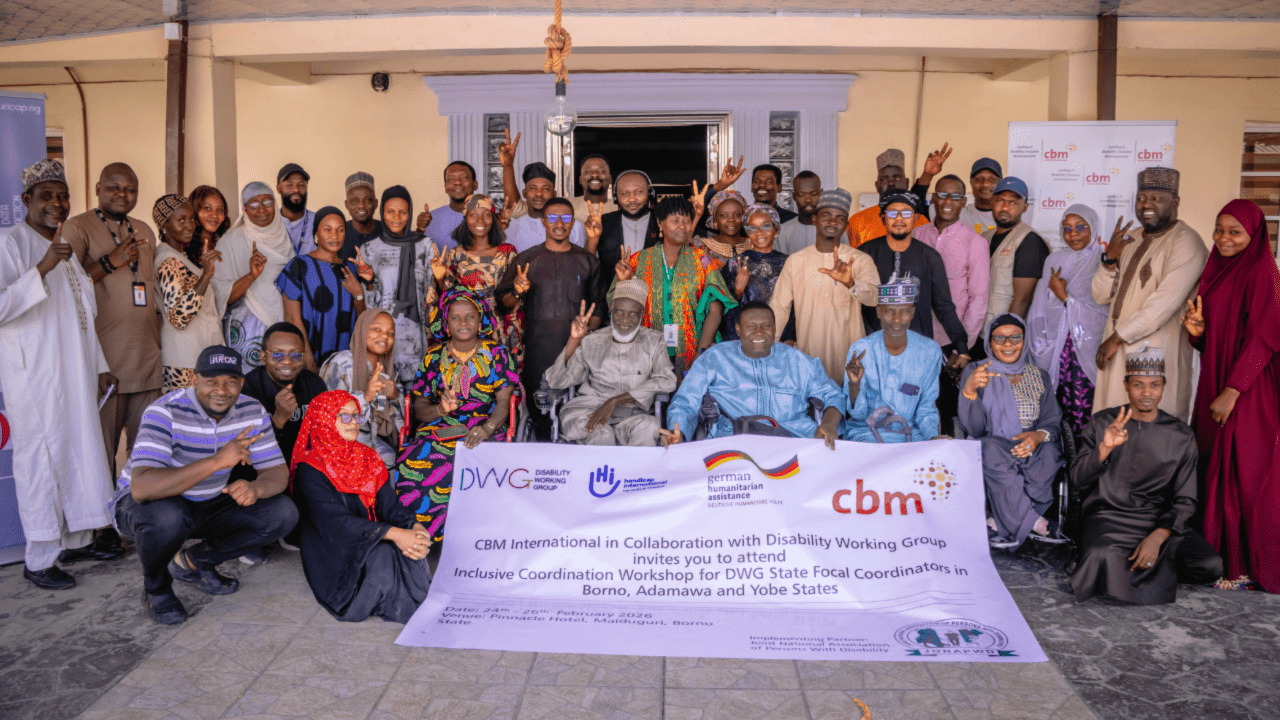
Disability Working Group Training Enhances Coordination and Inclusion in Humanitarian Response in Nigeria
The Disability Working Group (DWG) plays a meaningful role in fostering disability-inclusive humanitarian and development responses, ensuring that the needs […]
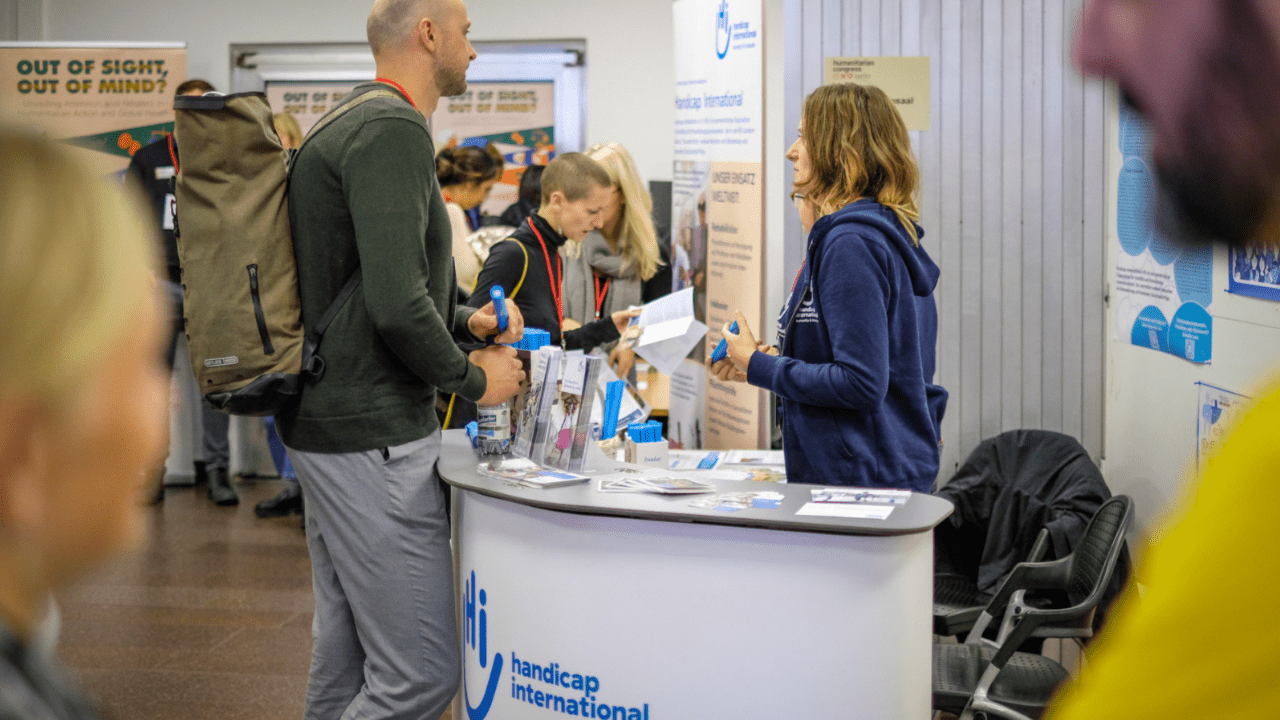
Join Us at the Humanitarian Congress Berlin 2026!
“Phase 4-Leave no one behind!” (LNOB), will be featured at the upcoming Humanitarian Congress Berlin 2026. This year’s congress, themed […]

Uganda Reaffirms Commitment to Global Disability Summit Pledges: LNOB 4 Strengthens Inclusive Participation
Uganda – Uganda has renewed its commitment to fully implement the pledges made at the 2025 Global Disability Summit (GDS) […]
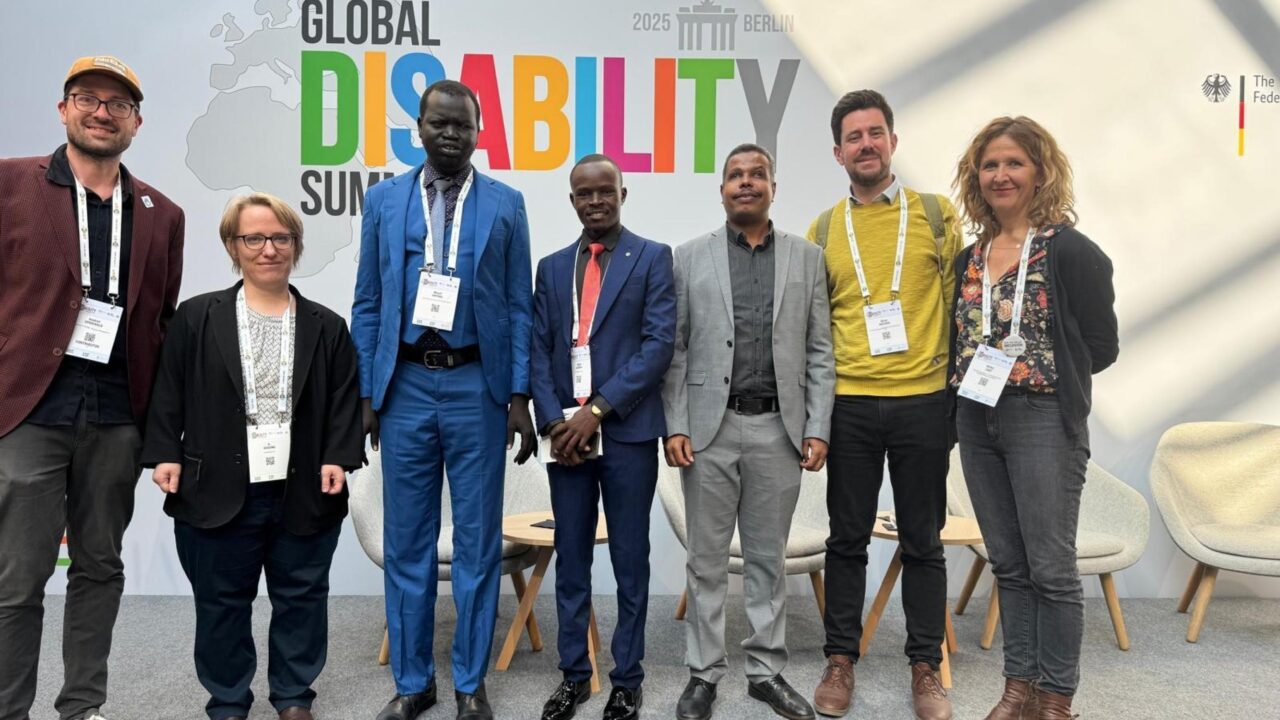
From Blueprint to Footprint: One World, One Voice, One Fight for Disability Rights
The recent Civil Society Forum and Global Disability Summit were held in Berlin, Germany from 1st to 3rd April 2025, […]
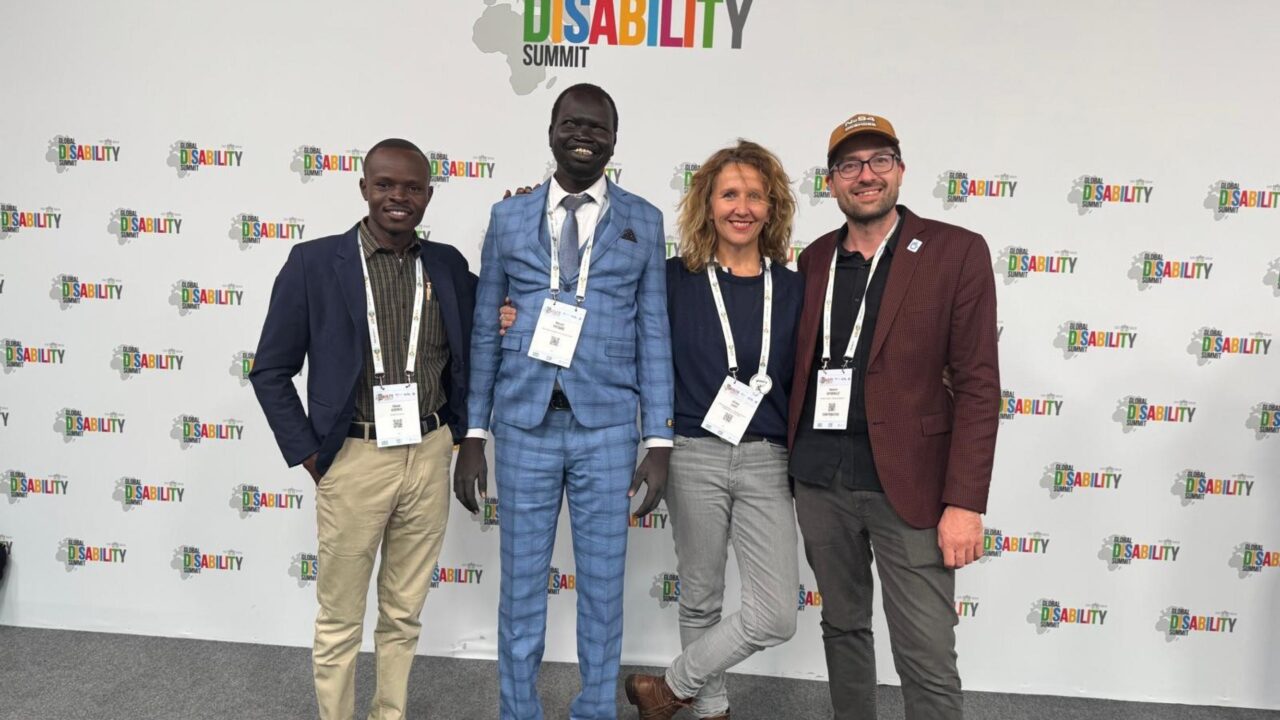
LNOB Team’s Reflections on the Success of the Civil Society Forum (CSF)
The Civil Society Forum (CSF), a cornerstone event of the Global Disability Summit (GDS), concluded the first day of the summit with […]
Meet Us at the Global Disability Summit 2025!
We are excited to announce that our project, “Phase 4 – Leave No One Behind!” (LNOB), will be presented at […]
Contact
Do You have any Questions?
Ulrike Last
Policy and Development Lead for Inclusive Humanitarian Action, Governance and Protection / HI
E-Mail: u.last@hi.org