
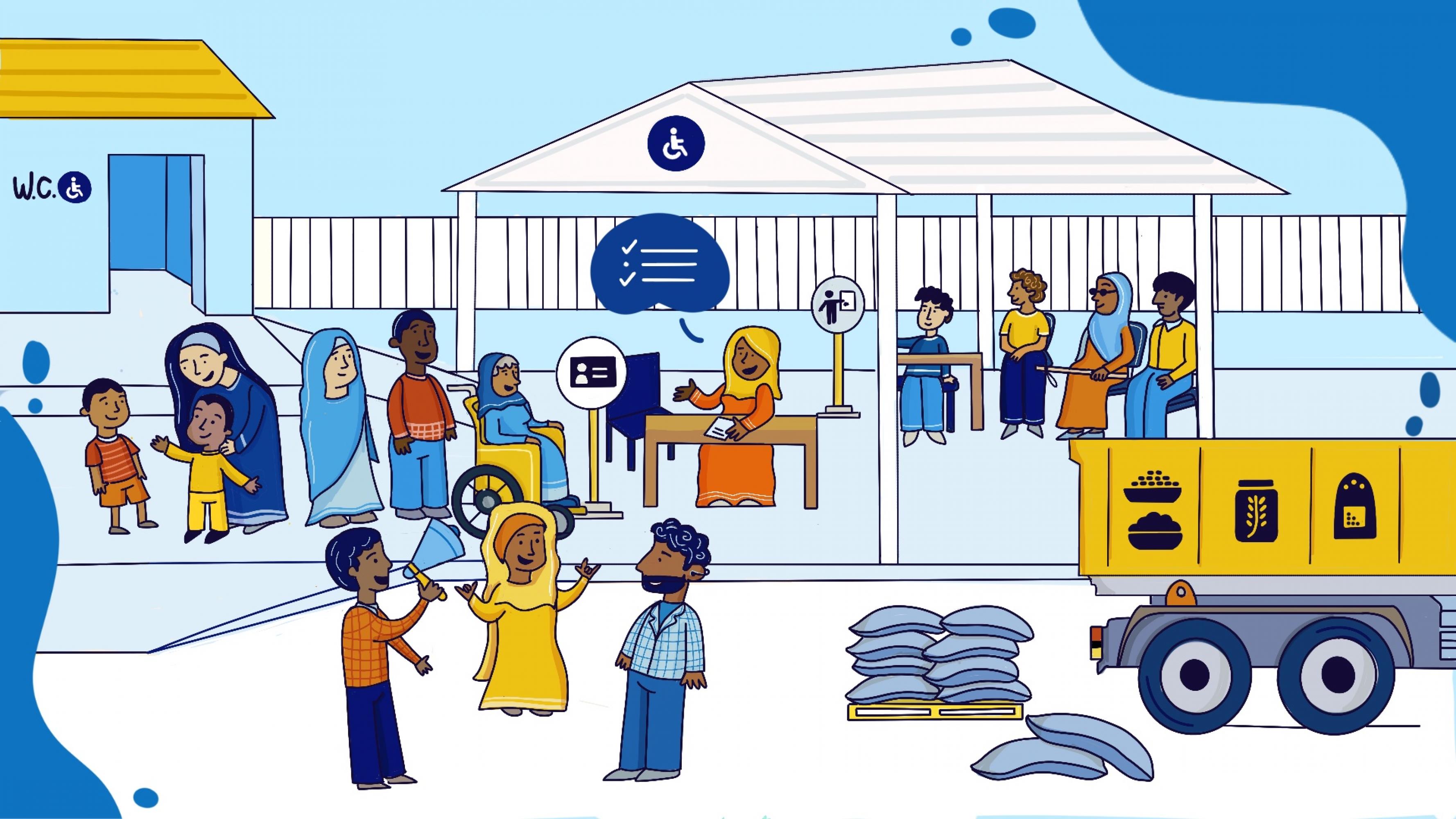
© HI / Studio Amazink
Phase 4 – Leave no one behind!
Since 2016, the Leave no one behind! project series focuses on mainstreaming disability in global and local humanitarian action in line with the IASC Guidelines on Inclusion. Phase 4 (2025-2027) builds upon our successes of the previous phases and enhances the uptake of the IASC Guidelines for lasting impact through side-scaling and localization. We are working on global level and in six countries in East and West Africa.
Phase 4 focuses on four interconnected areas:
Disability-inclusion in Humanitarian Coordination
We strengthen mechanisms to support disability-inclusive humanitarian coordination at country level by facilitating technical support mechanisms and disability working groups. Additionally, we enhance stakeholder capacities and support Organisations of Persons with Disabilities (OPDs) to meaningfully engage in humanitarian coordination.
Uptake, Side-scaling and Localisation of Tools and Guidances
In Phase 4 we are focussing on the uptake and localisation of developed programming and operational tools and guidences on disability-inclusion through capacity building, innovative approaches and close collaboration with OPDs. Beside, we are adressing existing gaps by advancing inter-agency tools and guidances for inclusive Food Security, WASH and Health programming.
Meaningful Participation of OPDs - Empowerment and Removal of Barriers
Meaningfull collaborations with global, regional and local OPDs are essential for the success of phase 4. However, participation barriers still exist within the humanitarian system, and the capacities of local OPDs need to be strengthened. We adress existing barriers with small-grants, trainings and facilitation of cross-organizational learning.
Advancement of Disability-Inclusion in the Global Humanitarian System
5 years after the launch of the IASC Guidelines on Inclusion advances have been made but important gaps remain. In Phase 4 we are working on the global level to advance the integration of disability-inclusion in the humanitarian system in a meaningful and more sustainable way through sharing of good practices and tools at global events like the GDS 2025, supporting the monitoring of GDS committments and a IASC Guideline stocktake.
News
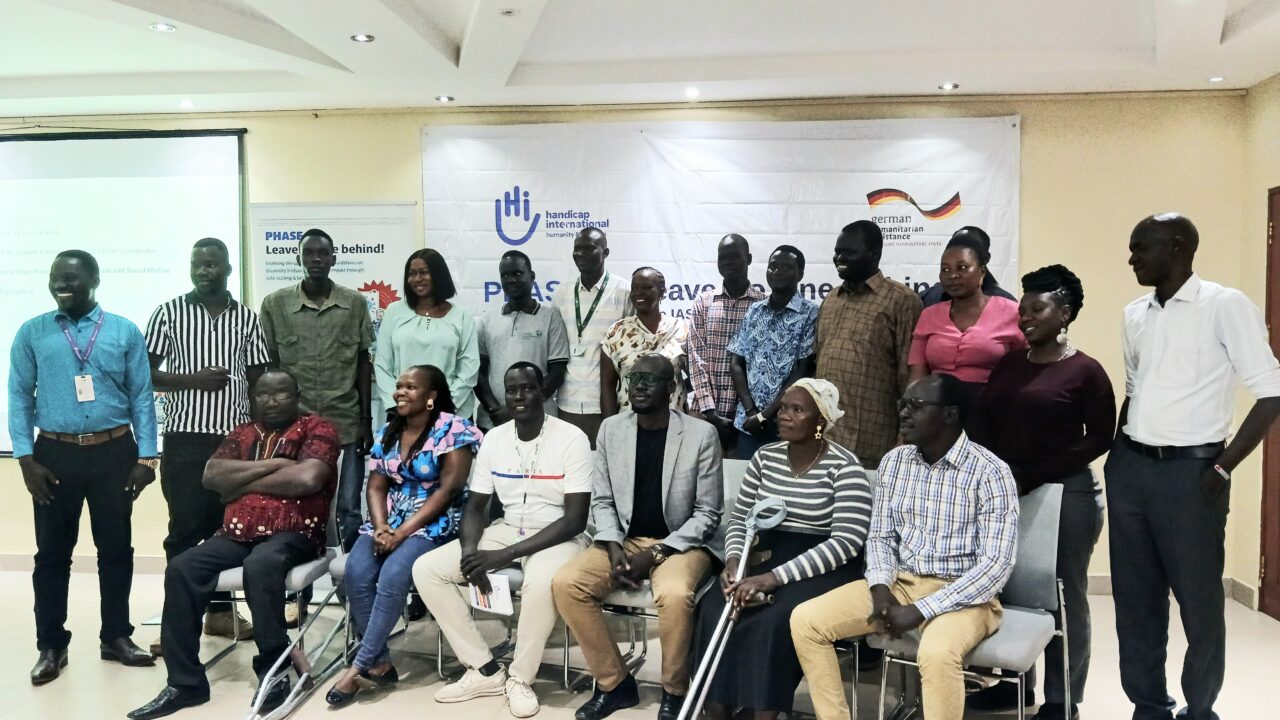
Humanity & Inclusion Launches Disability-Inclusive Food Security Training Package in Juba & Wau, South Sudan.
Humanity & Inclusion (HI) South Sudan launched a Disability-Inclusive Food Security Training Package in Wau, Western Bahr el Ghazal State, […]
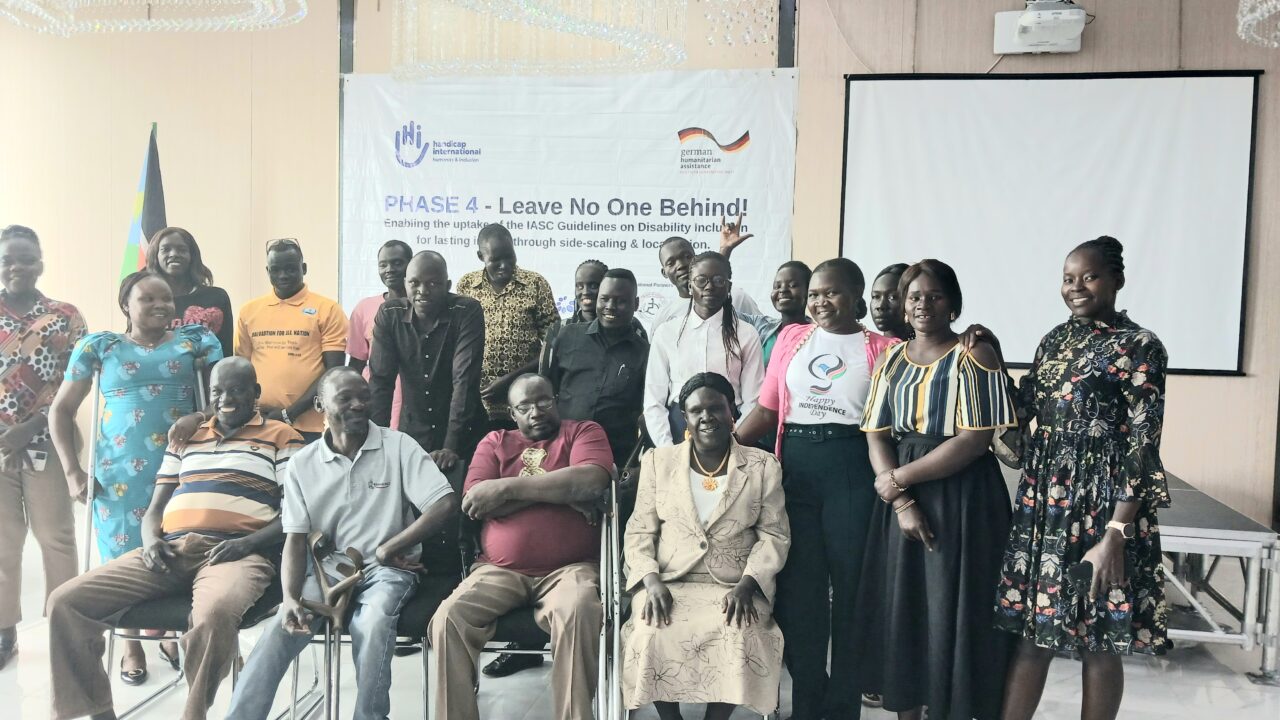
Humanity & Inclusion South Sudan Strengthened OPDs’ Capacity for Disability-Inclusive Food Security
For many persons with disabilities in South Sudan, accessing food assistance and livelihood opportunities can involve challenges that others may […]
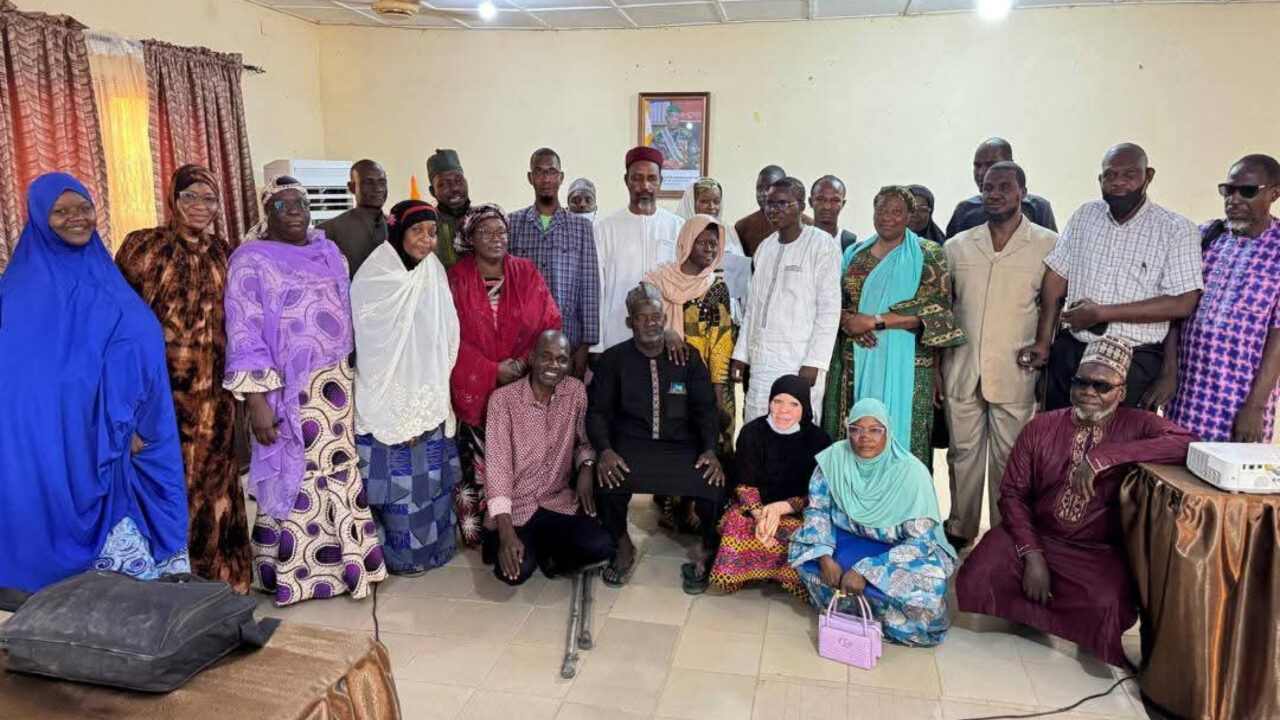
Training-of-Trainers Workshop for FNPH Regional Representatives on Disability Inclusion in Humanitarian Action in Niger
As part of Phase IV of the Leave No One Behind (LNOB4) project, the FNPH, with support from CBM Niger, […]
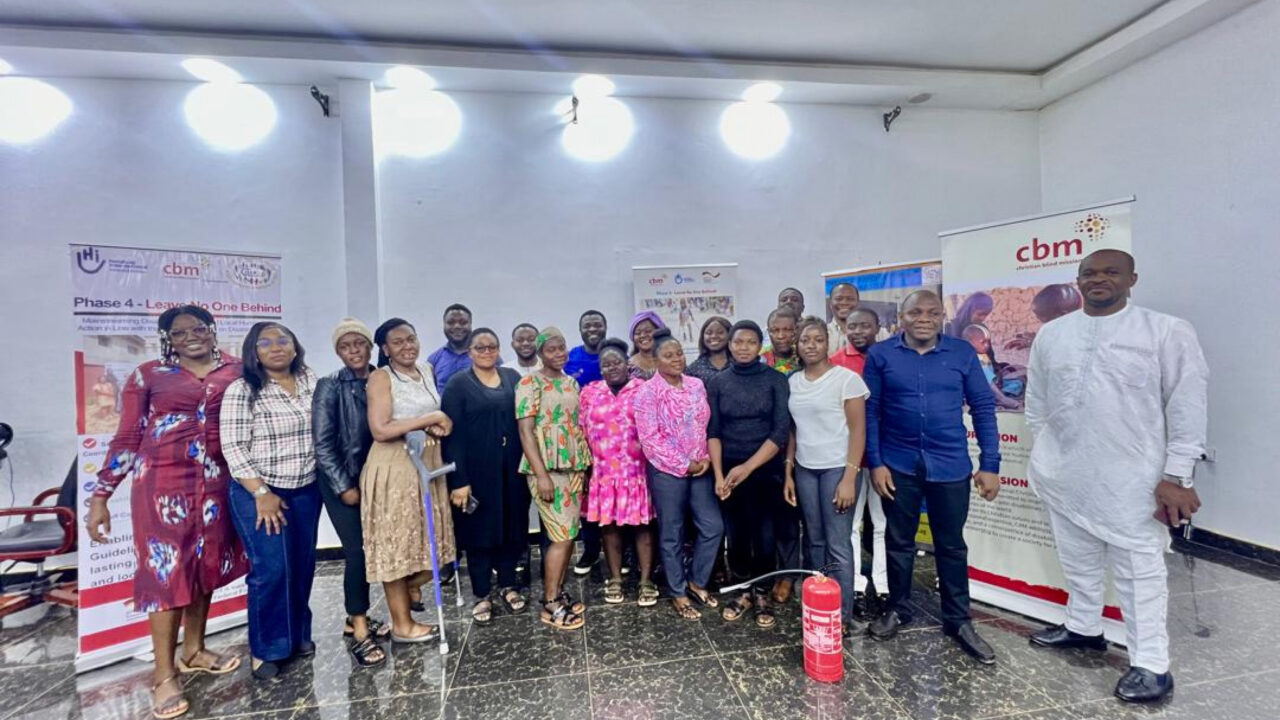
Strengthening Security, Safeguarding and Risk Management for Inclusive Humanitarian Action
In July, CBM Cameroon successfully facilitated a three-day Security, Safeguarding and Risk Assessment Training in Bamenda under the Leave No […]