Beiträge zum Thema General

Regional East Africa iWASH Training promotes disability-inclusive WASH Programming

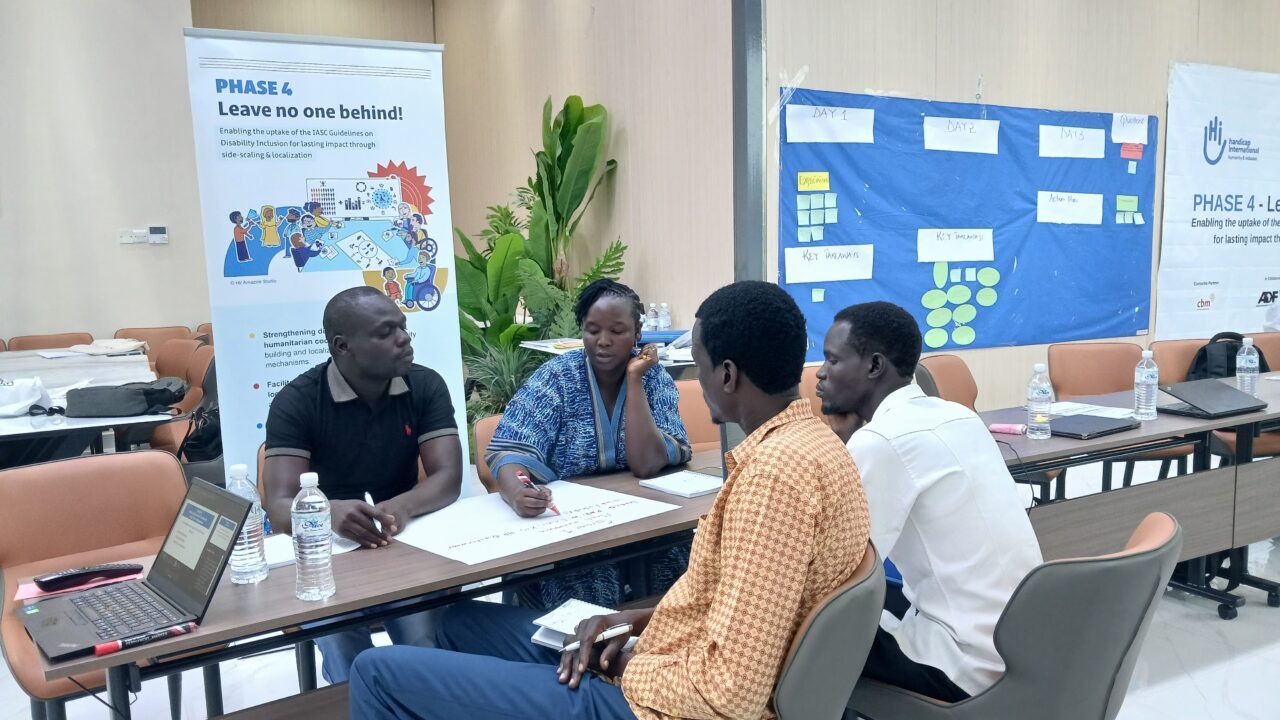
In a significant step toward fostering disability-inclusive Water, Sanitation, and Hygiene (WASH) programming, 21 regional WASH actors from 12 organizations recently gathered in Nairobi, Kenya, for a practical iWASH training. The workshop, held over four days, brought together participants from Kenya, Sudan/South Sudan, Uganda, Ethiopia, and Somalia, including representatives from UN agencies and national and […]

Weiterlesen

Understanding Barriers for Refugees with Disabilities in Nakivale, Uganda

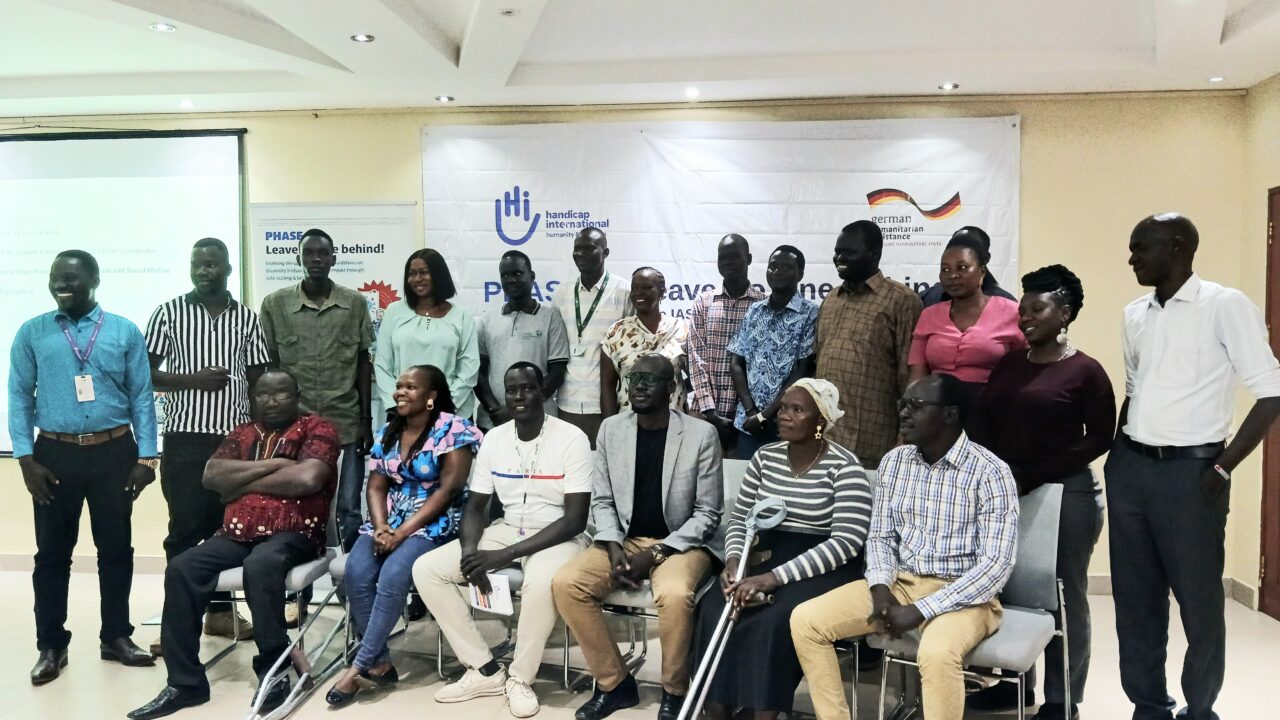
A new situational analysis by our OPD partner NUDIPU highlights the daily challenges faced by refugees with disabilities in Nakivale Refugee Settlement, Uganda. The findings call for stronger disability-inclusive humanitarian action. As part of Phase 4 – Leave no one behind! (LNOB 4), the National Union of Disabled Persons of Uganda (NUDIPU)– a local Organization […]

Weiterlesen

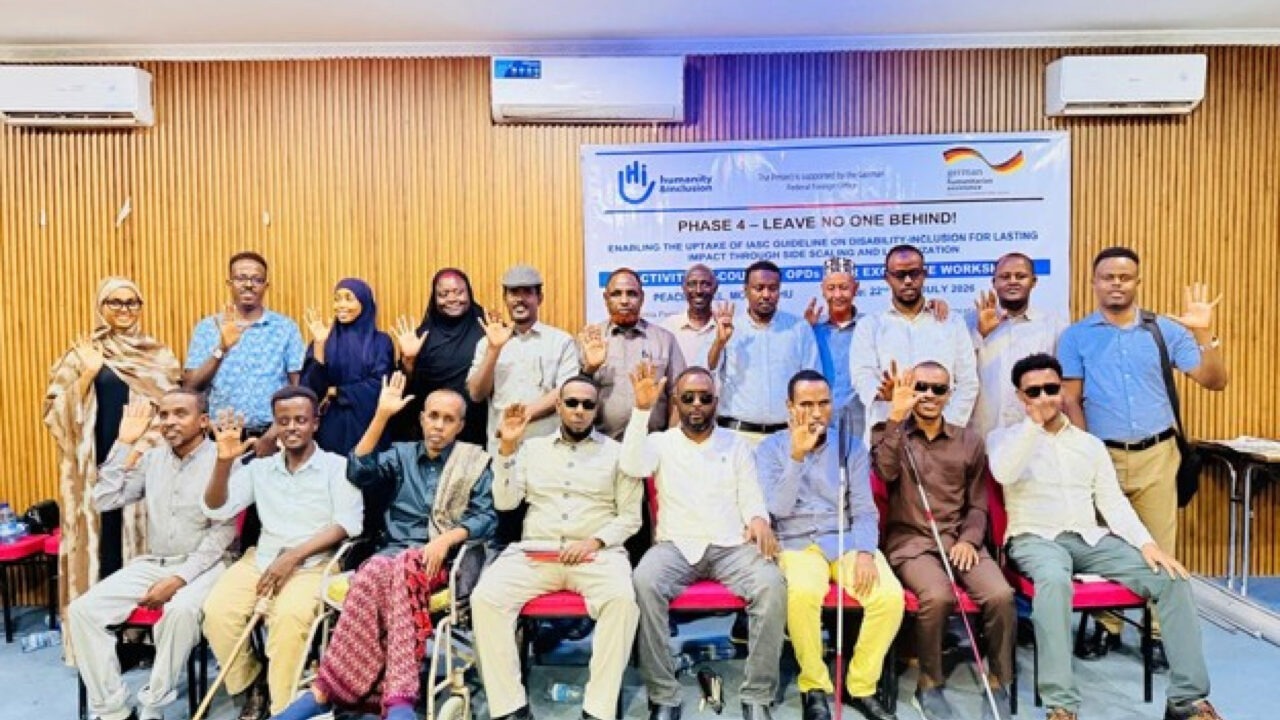
OPD representatives from East Africa laugh and wave in front of a presentation at a peer-exchange event.

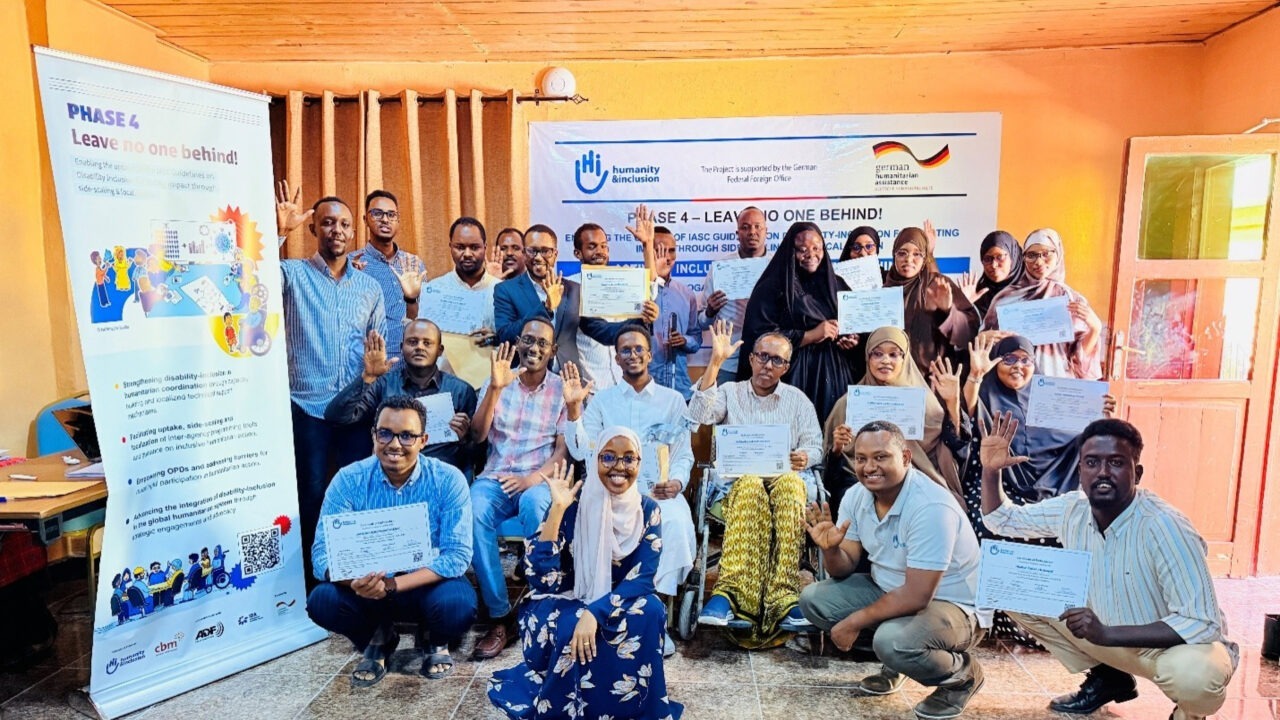
Partnering with OPDs: Knowledge Exchange, Expertise Strengthening and Networking Among East African OPDs

From February 24–26, 2026, Organizations of Persons with Disabilities (OPDs) from South Sudan, Somalia/Somaliland, and Uganda gathered in Kampala for a Regional Peer Exchange Workshop, organized by our Phase 4- Leave No One Behind (LNOB) project together with African Disability Forum (ADF). The event focused on fostering cross-country learning, strengthening expertise, and networking to advance […]

Weiterlesen

New Learning Papers Highlight Progress and Challenges in Disability-Inclusive Humanitarian Action

The Disability Reference Group (DRG) has recently published two learning papers on the promotion of disability-inclusive humanitarian action and the involvement of Organizations of Persons with Disabilities (OPDs). These papers, developed with the support of the Leave no one behind! project, provide valuable insights for decision-makers, humanitarian actors, and OPDs. Promoting Disability Inclusion in Humanitarian Coordination […]

Weiterlesen

Mapping of Online Humanitarian Platforms on Accessibility and Disability-Inclusive Content

Our project commissioned a mapping to analyse existing humanitarian information and resource-sharing websites. The study assessed the websites’ accessibility and the type of disability-inclusive content they offer. The study examined 12 major humanitarian platforms, identifying gaps and proposing practical solutions to improve accessibility and the availability of disability-inclusive resources. Humanitarian actors rely on comprehensive, structured […]

Weiterlesen

Phase 4 – Our 2025 Achievements and the Path Ahead

Humanitarian action is currently facing complex challenges, making it more important than ever to ensure that no one is left behind in crises. In 2025, the first year of Phase 4 – Leave no one behind!, we continued to work on advancing disability-inclusive humanitarian action in our6 project countries and at the global level. This […]

Weiterlesen

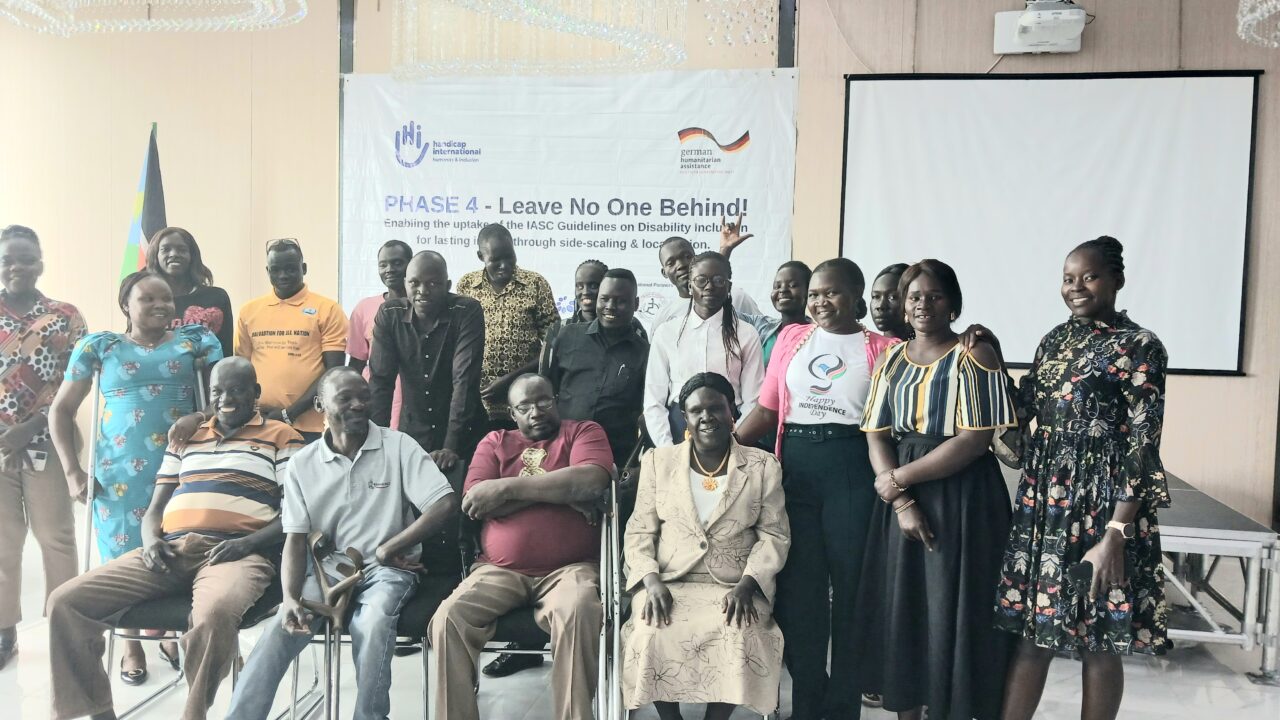
Building Together: Collaborations with OPDs Create Innovative Solutions for Disability-Inclusive WASH in South Sudan

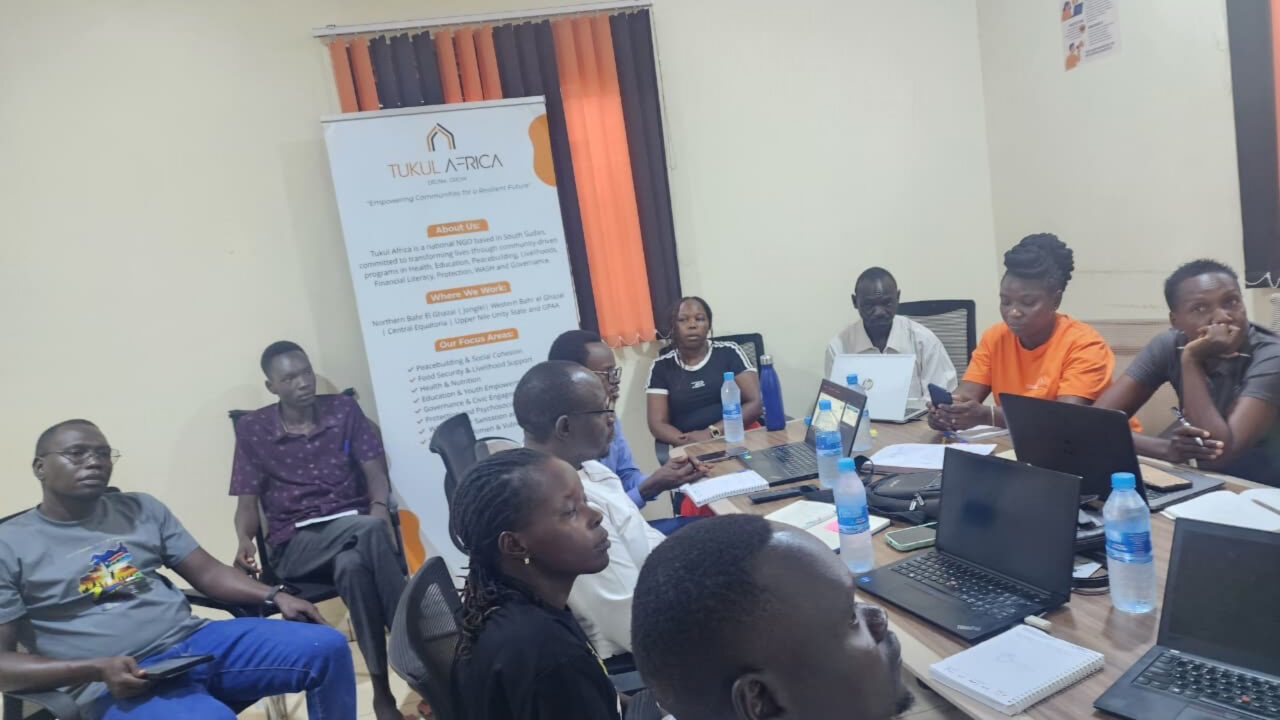
In Wau, South Sudan, organizations are collaborating to ensure that no one is left behind when it comes to accessing clean water, sanitation, and hygiene (WASH). Our Phase 4-LNOB-Project has enabled partnerships between Organizations of Persons with Disabilities (OPDs) and WASH actors, creating solutions that respond better to the needs of persons with disabilities. Inclusive […]

Weiterlesen

Call for Expression of Interest: Stocktaking of the IASC Guidelines on Inclusion of Persons with Disabilities in Humanitarian Action. 

We are looking for a consultant or group of consultants for a comprehensive stocktake of the 2019 published IASC Guidelines on the Inclusion of Persons with Disabilities in Humanitarian Action.   The LNOB project, on behalf of the global Disability Reference Group, is commissioning a comprehensive stocktake of the 2019 published IASC Guidelines on the Inclusion of Persons with Disabilities in Humanitarian Action. This […]

Weiterlesen